
The journey of small fleet trucking businesses is a testament to the spirit of entrepreneurship. These companies often start with just a single truck, but their potential for growth and profitability is boundless when they apply effective strategies. The trucking industry is not just about logistics; it involves building relationships, maintaining a robust reputation, and delivering exceptional customer service.
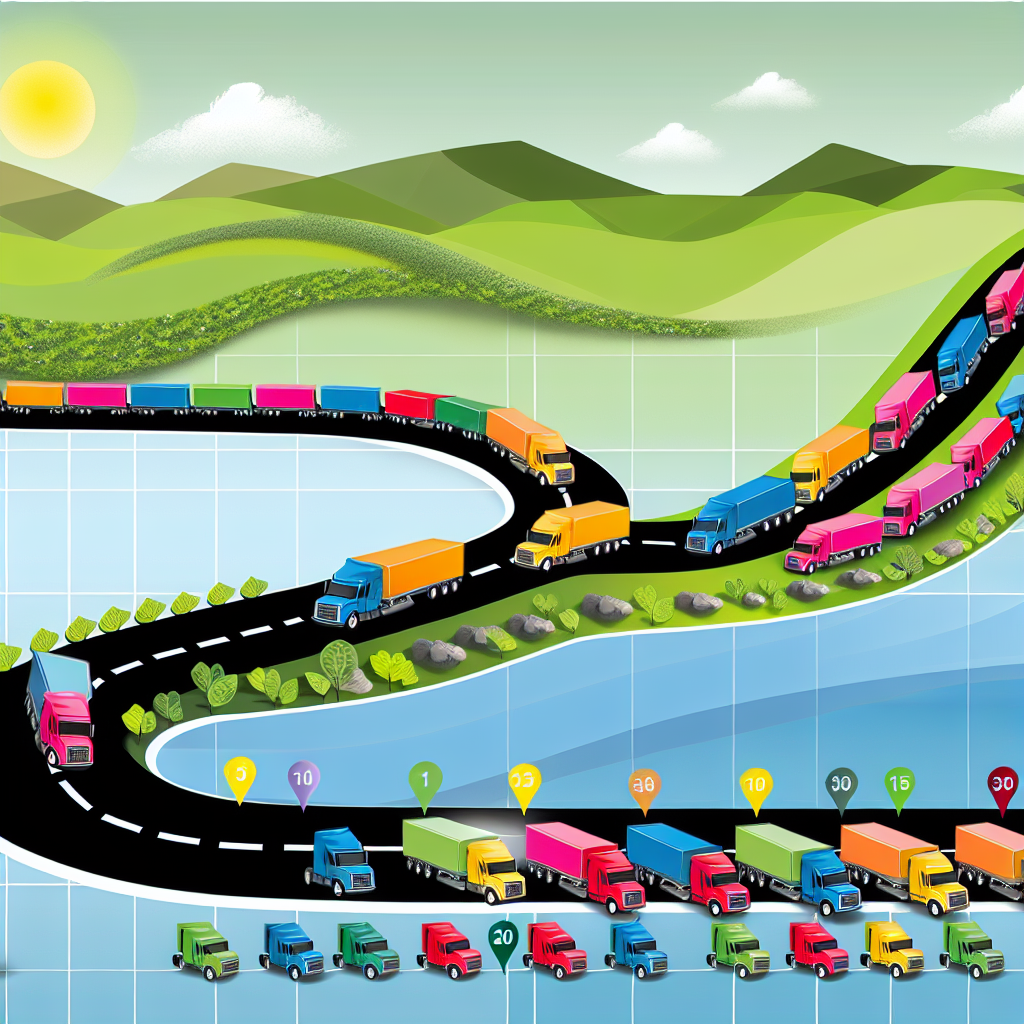
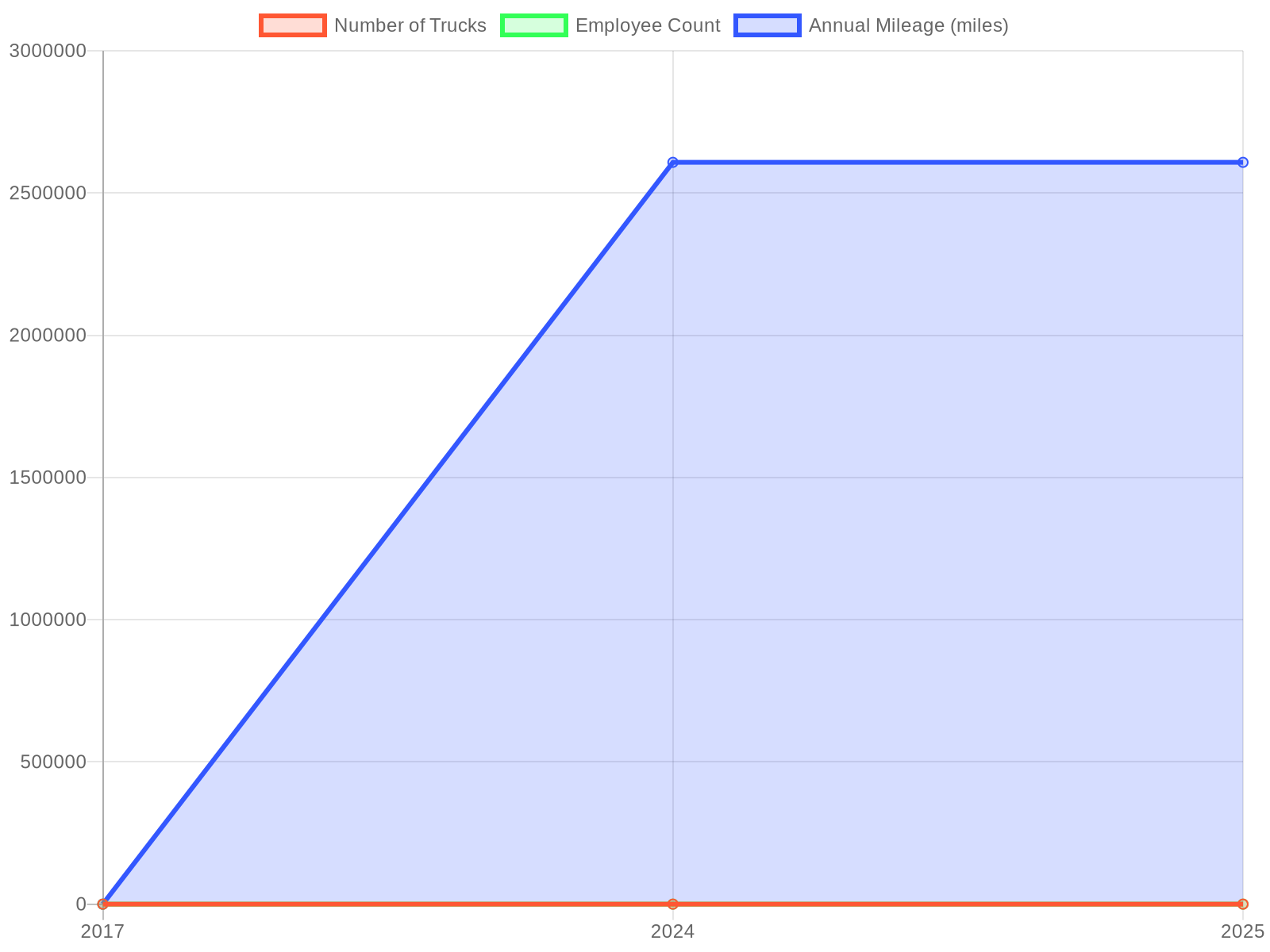
As we delve into the strategies that can propel small fleets to new heights, we will focus on the remarkable case of Derrick Wolfe Trucking. Founded in 2017, this business has expanded from one truck to an impressive fleet of nearly 30, thriving on customer growth and organic reputation rather than traditional sales techniques.
Join us as we explore the pivotal strategies that can lead to sustained success in the competitive trucking economy while highlighting the lessons learned from Derrick Wolfe’s entrepreneurial path. Whether you are an aspiring truck fleet operator or a seasoned veteran, these insights will provide the roadmap you need for your own journey towards growth and profitability in the trucking sector.
Organic Growth Strategies at Derrick Wolfe Trucking
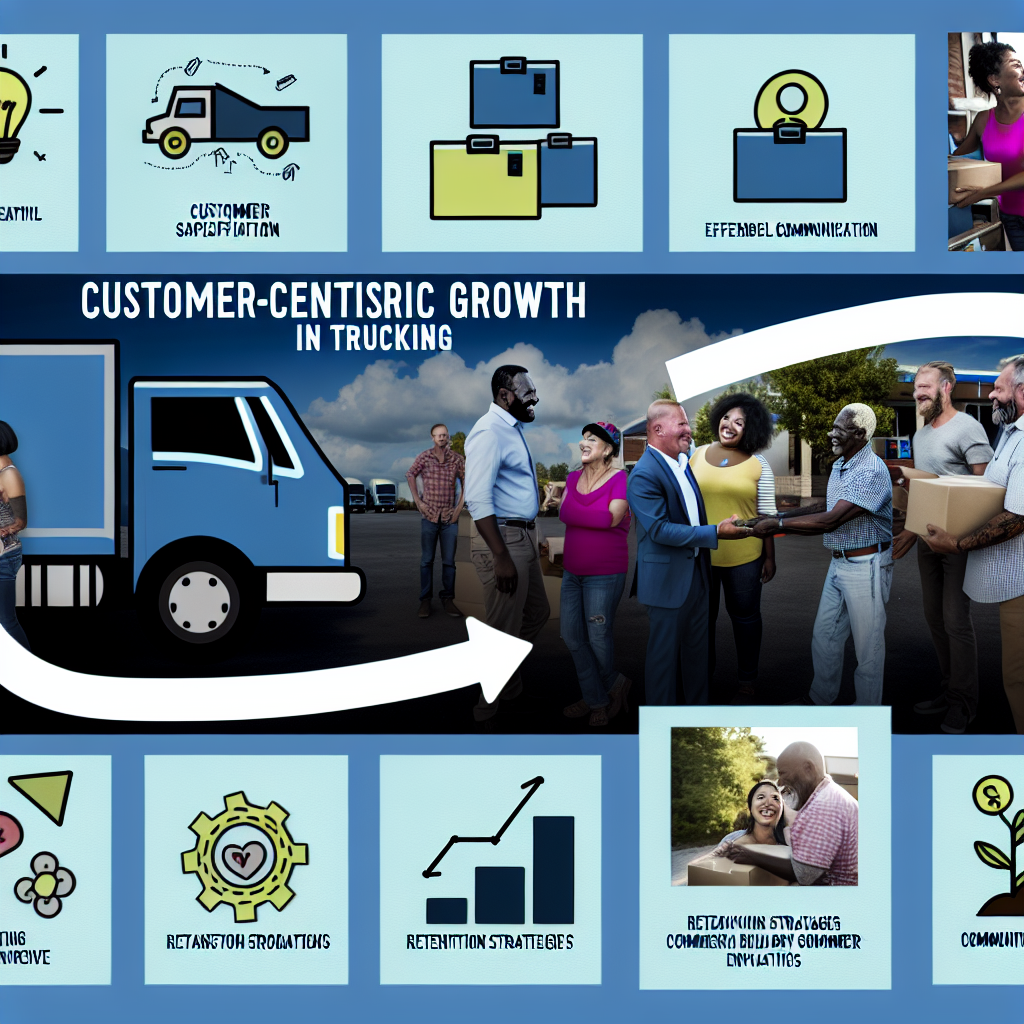
Derrick Wolfe Trucking effectively uses organic growth strategies. These strategies are built around reputation, word-of-mouth, and solid customer relationships. They supplement the company’s operational foundation. This enables Derrick Wolfe Trucking to thrive in a competitive industry.
Since its establishment in 2017, the company has grown from a single truck to nearly 30 vehicles. This growth has largely been due to testimonials and experiences shared by satisfied customers. This organic approach contrasts starkly with conventional growth tactics that rely on aggressive sales pitches.
Wolfe’s belief that “It’s really simple, but a lot of companies get that part wrong” reflects the core value of prioritizing customer satisfaction. Building strong relationships takes precedence over pushing for sales.
Significance of Reputation
In today’s marketplace, reputation can make or break a business. It takes years to develop a positive standing, but it can be dismantled in moments. Warren Buffett wisely stated, “It takes 20 years to build a reputation and five minutes to ruin it.” This highlights the importance of maintaining high service standards. High standards directly influence customer perceptions and recommendations.
The Role of Word-of-Mouth
Word-of-mouth (WOM) marketing is recognized as one of the most powerful tools for growth. In the trucking industry, personal recommendations can significantly impact client acquisitions. Data shows that about 75% of consumers regard WOM as a critical factor in their purchasing decisions. Derrick Wolfe’s strategy focuses on nurturing existing customer relationships. This, in turn, generates new business opportunities. As Jeff Bezos articulates, “If you build a great customer experience, customers tell each other about that. Word of mouth is very powerful.” Impressive service can create a ripple effect, increasing brand visibility and trust.
Building Customer Relationships
Derrick Wolfe Trucking understands that cultivating relationships with clients is vital. They prioritize open communication and actively engage with their customer base. This engagement allows them to learn about and address customer needs. Wolfe’s motto, “You can never communicate enough,” encapsulates this approach. It demonstrates the importance of dialogue and understanding in business transactions.
Companies with high levels of customer engagement see a 50% increase in revenue growth. This underscores the direct correlation between healthy relationships and business prosperity.
In summary, by centering their growth strategies on reputation, word-of-mouth, and customer relationships, Derrick Wolfe Trucking not only enjoys organic growth but also creates a loyal customer base. This enhances their market standing. Their employee-centric approach also supports drivers and fosters a culture of reliability and trust within the industry.
| Growth Strategy Aspect | Derrick Wolfe Trucking | Other Small Fleet Businesses |
|---|---|---|
| Revenue Growth Rate | Rapid growth from 1 truck to nearly 30 | Often slower growth, relying on traditional sales |
| Customer Acquisition Strategy | Focus on organic growth through reputation and word-of-mouth | Aggressive sales tactics or discounts |
| Employee Retention Methods | Competitive pay, 401K matching, health insurance options | Varies widely; often less comprehensive benefits |
| Innovation Approaches | Emphasis on customer feedback and relationship building | May focus on technology or logistics improvements only |
Employee Benefits at Derrick Wolfe Trucking
At Derrick Wolfe Trucking, employee satisfaction and retention are at the forefront of their operational philosophy, fostered through an attractive employee benefits package that focuses on competitive pay, comprehensive health insurance options, and robust 401(k) matching programs.
Competitive Pay Structure
Derrick Wolfe Trucking employs a competitive pay framework that not only recognizes the industry standards but also makes significant strides to exceed them. The company offers drivers a pay percentage that begins at 26% with potential to cap at 28%, incentivizing high performance with opportunities for bonus earnings. This emphasis on competitive compensation plays a crucial role in attracting and retaining skilled drivers, particularly in an industry where driver shortages are a persistent challenge. The organization understands that by providing a pay structure that reflects the hard work and dedication of their employees, they are likely to see increased loyalty and lower turnover rates.
Health Insurance Options
Derrick Wolfe Trucking provides a variety of health insurance plans to meet the diverse needs of its drivers. A 2023 analysis found that 97% of trucking companies now offer health benefits, recognizing the importance of such options in retaining staff. Health insurance not only assists employees in managing their health care costs but also signifies a company’s commitment to their workforce’s well-being. By implementing innovative strategies like reference-based pricing, the company helps reduce healthcare spending, enhancing their attractiveness as an employer and contributing to a healthier, happier workforce.
401(k) Matching Program
An effective retirement plan is vital for long-term employee engagement, and Derrick Wolfe Trucking provides a 401(k) matching program that stands out in the industry. By matching contributions at 5%, the company encourages drivers to save for their future, underscoring their commitment to employee financial wellness. A solid retirement plan is crucial for employees, as it not only builds trust but also reinforces their intention to remain with the company long-term. In fact, an increased number of trucking companies have recognized the value of 401(k) matches, with 85% now offering such plans.
Conclusion
In summary, through offering competitive pay, extensive health insurance options, and a generous 401(k) matching program, Derrick Wolfe Trucking prioritizes its employees’ satisfaction and financial security. This comprehensive benefits approach not only elevates the firm’s reputation as an employer of choice but also fosters higher retention rates, enhancing overall business performance. As the trucking industry continues to adapt, Derrick Wolfe Trucking’s employee-centric strategies serve as a valuable model for others aiming to improve retention and employee morale.
Employee Benefits at Derrick Wolfe Trucking
At Derrick Wolfe Trucking, employee satisfaction and retention are at the forefront of their operational philosophy, fostered through an attractive employee benefits package that focuses on competitive pay, comprehensive health insurance options, and robust 401(k) matching programs.
Competitive Pay Structure
Derrick Wolfe Trucking employs a competitive pay framework that not only recognizes the industry standards but also makes significant strides to exceed them. The company offers drivers a pay percentage that begins at 26% with potential to cap at 28%, incentivizing high performance with opportunities for bonus earnings. This emphasis on competitive compensation plays a crucial role in attracting and retaining skilled drivers, particularly in an industry where driver shortages are a persistent challenge. The organization understands that by providing a pay structure that reflects the hard work and dedication of their employees, they are likely to see increased loyalty and lower turnover rates.
Health Insurance Options
Derrick Wolfe Trucking provides a variety of health insurance plans to meet the diverse needs of its drivers. A 2023 analysis found that 97% of trucking companies now offer health benefits, recognizing the importance of such options in retaining staff. Health insurance not only assists employees in managing their health care costs but also signifies a company’s commitment to their workforce’s well-being. By implementing innovative strategies like reference-based pricing, the company helps reduce healthcare spending, enhancing their attractiveness as an employer and contributing to a healthier, happier workforce.
401(k) Matching Program
An effective retirement plan is vital for long-term employee engagement, and Derrick Wolfe Trucking provides a 401(k) matching program that stands out in the industry. By matching contributions at 5%, the company encourages drivers to save for their future, underscoring their commitment to employee financial wellness. A solid retirement plan is crucial for employees, as it not only builds trust but also reinforces their intention to remain with the company long-term. In fact, an increased number of trucking companies have recognized the value of 401(k) matches, with 85% now offering such plans.
Conclusion
In summary, through offering competitive pay, extensive health insurance options, and a generous 401(k) matching program, Derrick Wolfe Trucking prioritizes its employees’ satisfaction and financial security. This comprehensive benefits approach not only elevates the firm’s reputation as an employer of choice but also fosters higher retention rates, enhancing overall business performance. As the trucking industry continues to adapt, Derrick Wolfe Trucking’s employee-centric strategies serve as a valuable model for others aiming to improve retention and employee morale.
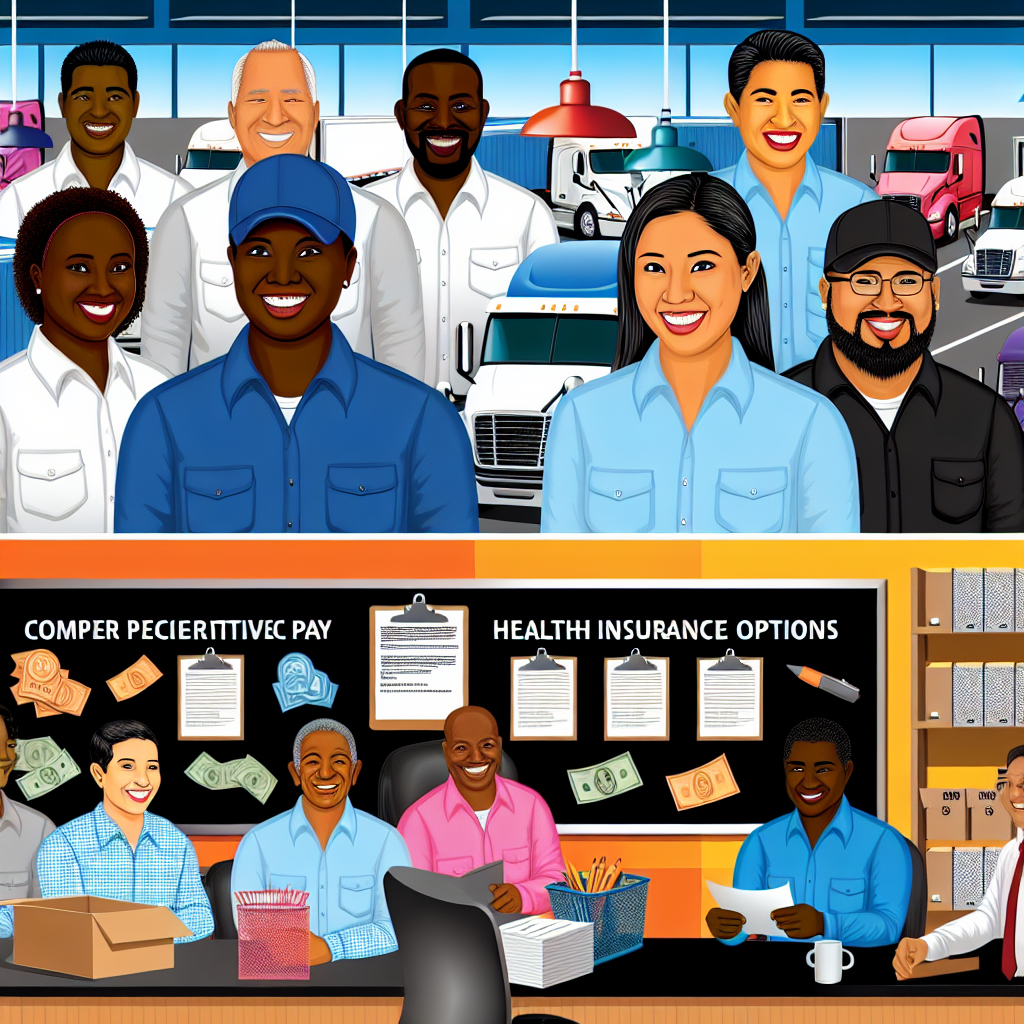
A visual representation of employee benefits offered by Derrick Wolfe Trucking, showcasing competitive pay and health insurance options.

A visual depiction of employee satisfaction in the trucking industry, highlighting supportive work environments and benefits.
User Adoption Trends in Food-Grade Transportation
The food-grade transportation sector within the trucking economy is experiencing notable growth due to several key factors:
- Rising Demand for Perishable Goods: Consumers increasingly favor fresh and processed foods, necessitating efficient transportation solutions to maintain product quality. The demand for quick and reliable logistics is especially high in urban locales where access to fresh produce can be limited. This trend indicates a robust marketplace for food-grade transportation services.
- Technological Advancements: The integration of Internet of Things (IoT) technology and real-time monitoring systems has revolutionized the logistics of food-grade transportation. Approximately 55 percent of food logistics providers are using IoT sensors, which enhance transparency and reduce spoilage. Additionally, digital platforms for route optimization lead to a significant reduction in delivery times, benefiting overall operational efficiency.
- Expansion of E-commerce and Online Grocery Shopping: The rise of e-commerce has transformed consumer habits, driving a demand for perishable goods to be delivered quickly and efficiently. This shift has spurred investments in temperature-controlled transportation solutions, making logistics firms essential partners for retailers in meeting consumer expectations for quality and speed.
- Sustainability Initiatives: Environmental concerns are increasingly shaping the transportation sector. Companies are adapting by investing in fuel-efficient trucks, hybrid vehicles, and low-emission options to meet sustainability goals while catering to eco-conscious consumers.
- Regulatory Compliance and Food Safety Standards: Stringent government regulations around food safety are pushing logistics companies to prioritize compliance by investing in specialized equipment and training. Ensuring food safety enhances trust and fosters growth in the sector.
These factors collectively depict the dynamic evolution of the food-grade transportation landscape within the trucking economy, highlighting the vital opportunities available for growth and adaptation.
Conclusion
In the competitive landscape of the trucking industry, small fleet businesses that prioritize a robust reputation, employee satisfaction, and exceptional customer support are positioning themselves for sustainable organic growth. As demonstrated by the success of Derrick Wolfe Trucking, these strategies are not merely theoretical; they are proven pathways to success that can yield significant long-term benefits.
A strong reputation, fostered through quality service and reliability, is the bedrock upon which successful trucking companies build their businesses. This reputation acts as a magnet, attracting more clients through positive word-of-mouth, ultimately leading to increased revenue and market share. Furthermore, when employees are satisfied and engaged, they not only contribute to the company’s performance but also enhance customer experiences, creating a virtuous cycle of growth.
Supporting customers, as evidenced in Wolfe’s approach, strengthens relationships and fosters loyalty. Happy customers are more likely to return and refer new clients, reducing the need for aggressive sales tactics. This customer-centric philosophy can result in a stable income stream and a strong brand presence in the industry.
Ultimately, embracing these interconnected strategies leads to a more resilient trucking business that can navigate the ups and downs of the market with confidence. Derrick Wolfe Trucking exemplifies how a commitment to reputation, employee wellness, and customer satisfaction can create a thriving business. Small fleet trucking businesses that commit to these principles will find themselves better positioned for success, not just in the short term, but also for years to come. In an era where sustainability and adaptability are key, these strategies provide a roadmap for growth and enduring profitability.
The Impact of Customer Service on Business Growth in the Trucking Industry
Customer service plays a pivotal role in driving business growth within the trucking industry. Companies that prioritize exceptional customer experiences often see enhanced client retention, increased revenue, and a stronger market reputation.
Customer Retention and Revenue Growth
Research indicates that companies with mature customer success programs achieve 12% higher revenue growth and 19% higher gross margins compared to those without formal customer success initiatives. This illustrates how prioritizing customer satisfaction can lead to substantial business benefits.
Customer Willingness to Pay for Quality Service
A significant 85% of customers are willing to pay more for better trucking services, underscoring the value placed on superior customer experiences. This willingness can transform customer service from just a supportive function to a significant revenue driver for trucking companies.
Real-Time Tracking Enhances Satisfaction
Approximately 65% of shippers report that real-time tracking improves their satisfaction levels, highlighting the importance of transparency and communication in logistics. By providing timely updates and visibility into shipments, businesses can enhance customer trust and loyalty.
Case Studies of Successful Companies
While specific information on Derrick Wolfe Trucking is not readily available, other companies exemplify the positive impact of customer-centric strategies:
- Acme Trucking Solutions: Facing intense competition, Acme revamped its customer service processes to emphasize responsiveness and personalized interactions. This approach led to a 20% increase in customer retention within a year and enhanced their market reputation through positive word-of-mouth.
- Eco-Friendly Haulage Ltd.: By investing in electric trucks and utilizing AI for route optimization, Eco-Friendly Haulage not only reduced environmental impact but also attracted government contracts and became a leader in eco-conscious transport, demonstrating that sustainability and customer satisfaction can drive business growth.
Strategies for Enhancing Customer Service in Trucking
To build and maintain high standards of customer satisfaction, trucking companies can implement the following strategies:
- 24/7 Customer Support: Implementing round-the-clock support systems can lead to a 35% reduction in downtime costs and a 78% improvement in driver satisfaction, translating to significant annual savings.
- Leveraging Technology: Utilizing GPS tracking and automatic alerts provides real-time updates to clients, enhancing transparency and trust. Additionally, employing customer relationship management (CRM) systems helps manage client interactions effectively.
- Proactive Communication: Regularly engaging with clients to discuss performance and address concerns fosters long-term relationships and demonstrates a commitment to their success.
In summary, prioritizing customer service in the trucking industry not only meets client expectations but also serves as a strategic differentiator that drives business growth and sustainability.
| Engagement Strategy | Key Statistics | Impact on Trucking Companies |
|---|---|---|
| Digital Transformation | 78% believe it enhances customer satisfaction | Increases overall customer retention and loyalty |
| Personalized Marketing | 83% say personalized emails improve retention | Fosters deeper relationships with clients |
| Customer Experience Focus | 84% report revenue increases by focusing on customer experience | Direct correlation with revenue growth |
| Willingness to Pay for Quality | 85% would pay more for better service | Allows companies to command premium pricing |
| Adoption of Digital Tools | 73% have adopted tools to improve management | Enhances operational efficiency and customer service capabilities |
Further Reading on Word-of-Mouth Marketing
To gain a deeper understanding of word-of-mouth marketing and its effectiveness, consider exploring the following resources:
-
Landmark Study Shows Word of Mouth Drives 13% of Consumer Sales
Source: PR Newswire
Date: 2014-11-18
Summary: A comprehensive study organized by the Word of Mouth Marketing Association (WOMMA) found that consumer word-of-mouth accounts for 13% of consumer sales, equating to $6 trillion in annual spending. Notably, offline word-of-mouth contributes to two-thirds of this impact and drives at least five times more sales than paid advertising impressions. -
Electronic Word-of-Mouth and Purchase Intention
Source: arXiv
Date: 2025-04-07
Summary: This study examines the mediating role of various variables in the relationship between electronic word-of-mouth (eWOM) credibility and purchase intention, asserting the importance of enhancing quality perceptions and evoking positive emotions. -
Why Word of Mouth Beats Traditional Advertising
Source: Business News Daily
Summary: This article highlights the superior effectiveness of word-of-mouth advertising over traditional methods, providing statistics and strategies to enhance word-of-mouth marketing. -
Word-of-Mouth Marketing: Talk Up Your Business
Source: Keller Center for Research | Baylor University
Summary: The study examines the immediate and long-term impact of WOM activities on lead generation, demonstrating that WOM has a higher immediate impact compared to traditional marketing activities. -
The Effectiveness of Electronic Word of Mouth on Consumers’ Perceptions of Adopting Products/Services
Source: SciTePress
Summary: This literature review identifies factors influencing the effectiveness of eWOM on consumers’ adoption processes, emphasizing its role in shaping consumer attitudes and decision-making.
These insights will enrich your understanding of how word-of-mouth can significantly contribute to business growth and effectiveness, particularly in the trucking industry.