
Understanding Diesel Lift Pumps
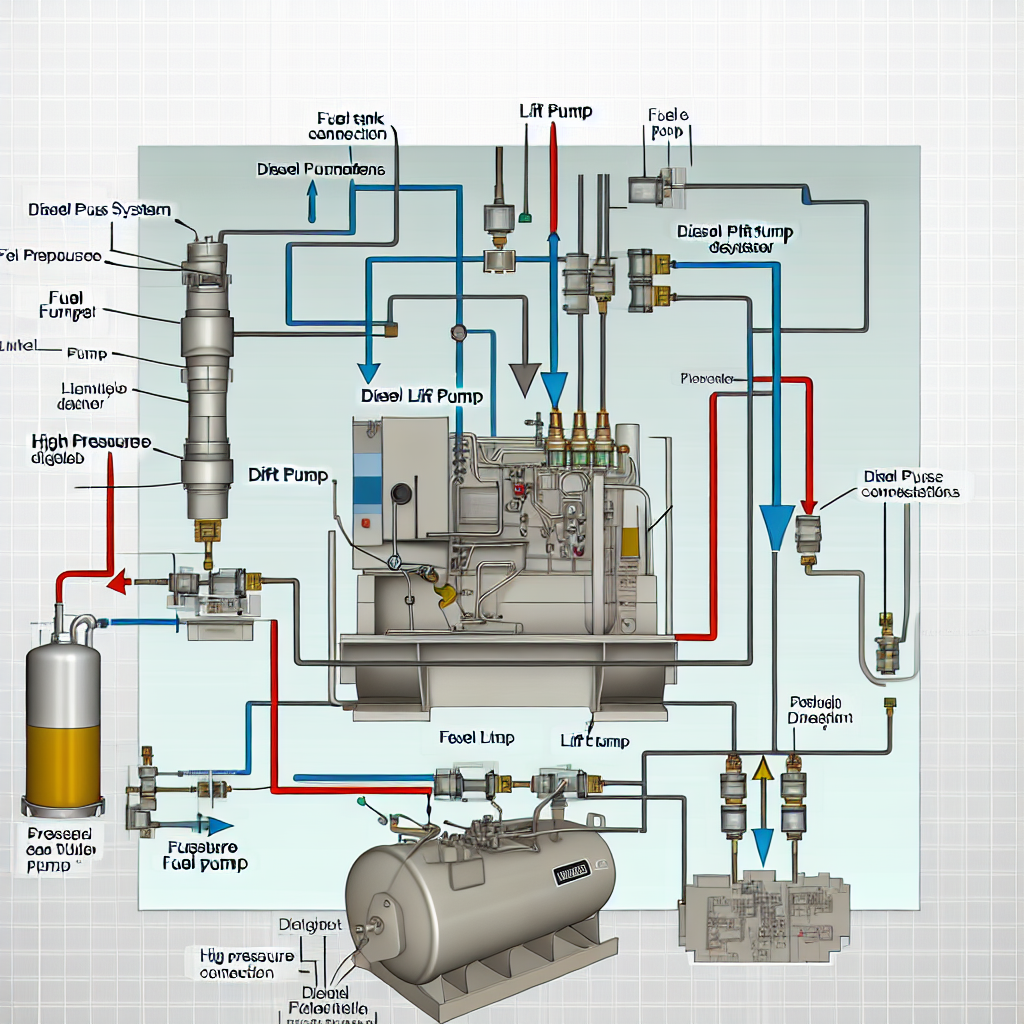
In the world of diesel engines, understanding fuel delivery systems is crucial for performance and longevity. An essential component in this system is the lift pump. The lift pump draws fuel from the tank and supplies it to the high-pressure fuel pump. This ensures a steady flow and prevents air bubbles from entering the system. Although often overlooked, lift pumps play a vital role in maintaining engine efficiency and preventing issues that could lead to costly repairs.
If the lift pump is not functioning properly, drivers might face difficulties starting their engines and experience a decline in performance. As you learn more about diesel lift pumps, their significance in the automotive landscape becomes clear.
Overview of Lift Pump Functionality
In the realm of diesel engines, the lift pump serves a critical role in ensuring proper fuel delivery from the tank to the engine’s fuel system. Acting as the first link in this intricate chain, lift pumps are designed to draw fuel from the tank and supply it to the high-pressure fuel pump, which subsequently pressurizes the fuel for injection into the combustion chamber.
How Lift Pumps Operate
Lift pumps typically operate at low pressures, generally between 6 to 65 psi, which is adequate to transport fuel to the high-pressure pump. By maintaining consistent fuel flow, these pumps help prevent air bubbles from entering the system, which could lead to hard starts and poor engine performance. Given their location, often situated near or within the fuel tank, lift pumps can be either electric or mechanically driven, and they ensure the high-pressure fuel pump functions without interruption.
Differentiating Lift Pumps from High-Pressure Fuel Pumps
While both lift pumps and high-pressure fuel pumps are essential for the diesel engine’s operation, they have distinct functions:
- Pressure Levels: Lift pumps operate at a low pressure, unlike high-pressure pumps, which can exceed 30,000 psi to inject fuel into the engine.
- Location and Design: Lift pumps are generally located closer to the fuel tank, while high-pressure pumps are positioned on the engine itself, often driven by the engine’s camshaft.
- Functionality: The primary function of a lift pump is to supply fuel to the high-pressure pump, whereas high-pressure pumps pressurize this fuel for combustion efficiency.
Importance of Lift Pumps in Diesel Engines
The lift pump’s role extends beyond merely moving fuel; it is vital for the overall health and performance of the diesel engine. A malfunctioning lift pump can result in engine starting issues, sluggish performance, or even long-term damage to the system. It’s essential for maintaining a consistent fuel supply under various load conditions, thereby preventing potential engine performance issues and ensuring smoother operation.
Maintenance Tips to Ensure Longevity
To keep a lift pump functioning optimally, it is crucial to adhere to proper maintenance practices:
- Regular Fuel Filter Changes: Change primary and secondary fuel filters at recommended intervals to keep the system clean.
- Quality Fuel Usage: Always source fuel from reputable stations to reduce contamination risks.
- Monitor Fuel Pressure: Consider installing a fuel pressure gauge for early detection of potential issues.
- Address Symptoms Promptly: If you notice hard starting, unusual noises, or hesitation, seek immediate assistance to prevent further damage.
- Maintain Adequate Fuel Levels: Keep the fuel tank above one-quarter full to avoid drawing air and ensure proper cooling for the pump.
In conclusion, understanding the functionality of lift pumps within diesel engines, coupled with regular maintenance, can significantly enhance engine performance and longevity. By ensuring these components operate correctly, diesel vehicle owners can avoid costly repairs and enjoy a smooth driving experience.
Maintenance Recommendations for Diesel Lift Pumps
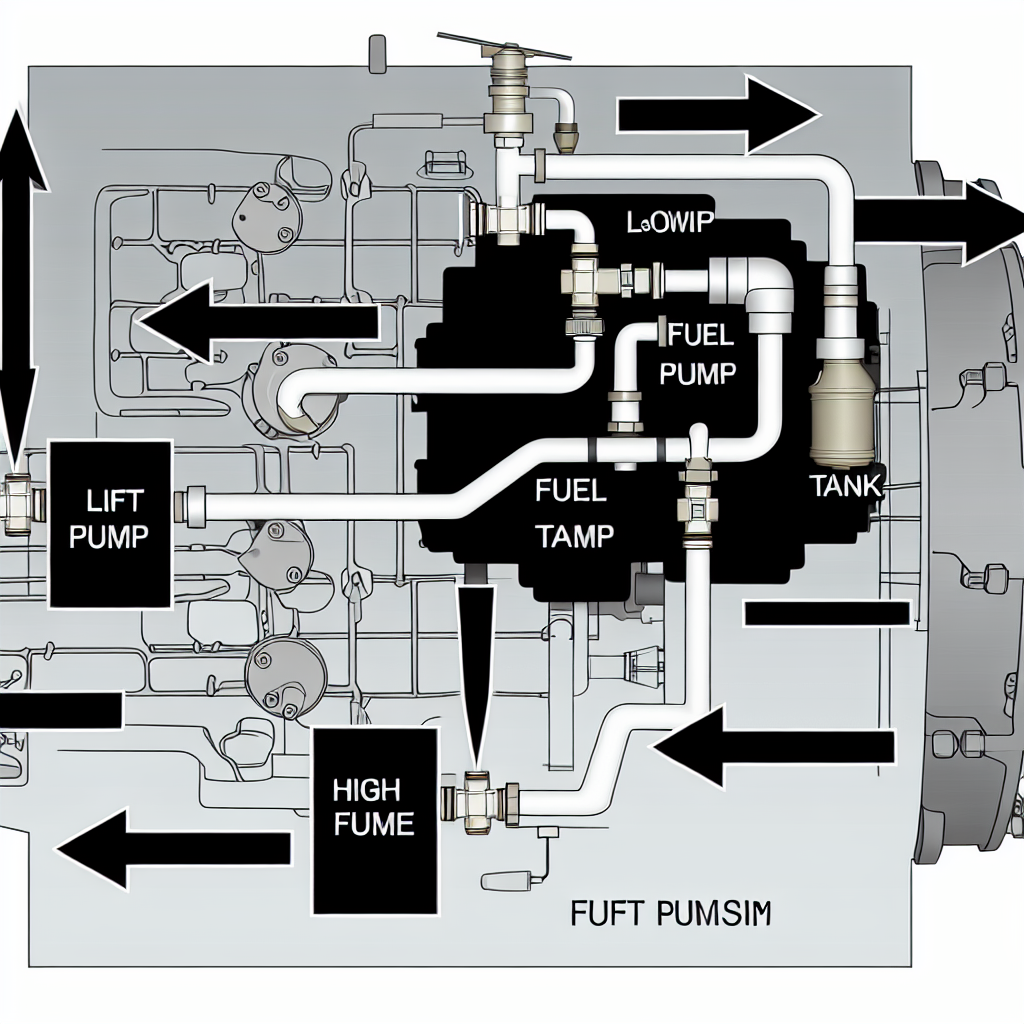
Proper maintenance of diesel lift pumps is essential for ensuring optimal engine performance and longevity. Key practices include:
-
Regular Fuel Filter Replacement:
- Primary (Coarse) Fuel Filters: These filters capture larger contaminants and are often equipped with water separation capabilities. It is crucial to replace them at intervals specified by the manufacturer, typically every 200-400 hours of operation or more frequently in dusty or humid conditions. Routine maintenance of these filters is a fundamental part of diesel fuel system maintenance, ensuring efficient fuel flow and protecting the lift pump performance. source
- Secondary (Fine) Fuel Filters: Designed to remove finer particles, these filters should also be replaced as per manufacturer guidelines to prevent injector damage. Monitoring the condition of these filters is vital for maintaining the overall performance of the lift pump system. source
- Draining Water Separators: Water in diesel fuel can lead to corrosion and microbial growth that significantly hampers lift pump performance. Regularly draining the water separator is vital:
-
Inspecting Fuel Lines and Connections: Regular inspections help identify potential issues that can affect lift pump performance:
- Leaks and Damage: Check for signs of leaks, damage, or loose connections along the entire fuel supply system, which can degrade fuel efficiency and increase strain on the lift pump.
- Seals and Fittings: Ensure that seals are in good condition and that fittings are properly torqued to prevent air or fuel leaks. This attention to detail is part of comprehensive diesel fuel system maintenance. source
-
Using High-Quality Fuel: The quality of diesel fuel directly impacts lift pump performance:
- Source: Purchase fuel from reputable stations to minimize water and sediment contamination, directly benefiting your diesel fuel system maintenance practices.
- Storage: Use fuel within 180 days to ensure freshness and prevent degradation. source
-
Preventing Water and Microbial Contamination: Water in fuel can lead to corrosion and microbial growth that hampers lift pump function:
- Drain Water Separators: Regularly drain water from the fuel-water separator to prevent accumulation which affects lift pump performance.
- Monitor for Microbial Growth: If microbial contamination is detected, use a biocide additive and clean the tank thoroughly, ensuring the continued effectiveness of your diesel fuel system maintenance efforts. source
- Avoiding Running the Tank Dry: Running out of fuel introduces air into the system, complicating priming procedures and increasing wear on pump components which can adversely affect lift pump performance. Maintain at least a quarter tank of fuel whenever possible. source
Consequences of Neglecting Maintenance
Neglecting these critical maintenance practices can lead to severe repercussions:
- Engine Starting Problems: A failure in the lift pump may result in difficulty starting the engine.
- Decreased Performance: Consistent neglect can lead to poor performance while driving, affecting overall power and efficiency.
- Costly Repairs: Experts assert that “a bad lift pump can cause a cascade of other issues that can lead to serious problems with a diesel vehicle.” Ignoring maintenance can significantly increase repair costs, negatively impacting fuel injectors and potentially leading to irreversible engine damage.
Lift Pump Maintenance: Comparison Table
| Maintenance Schedule | Consequences of Neglect |
|---|---|
| Regular Fuel Filter Changes Every 200-400 hours for primary filters As per guidelines for secondary filters |
Contaminated Fuel: Increases risk of engine wear and performance issues. |
| Draining Water Separators Daily, or as indicated by warning light |
Corrosion and Microbial Growth: Leads to filter clogging and pump damage. |
| Inspect Fuel Lines and Connections Check for leaks and ensure tight fittings |
Leaks and Aging Components: Increases chances of air being introduced to the system. |
| Using High-Quality Fuel Purchase from reputable stations |
Fuel Contamination: Reduces lift pump efficiency and increases wear. |
| Preventing Water and Microbial Contamination Regularly drain separators; use biocides |
Severe Fuel System Damage: May require extensive repairs and replacements. |
| Avoid Running the Tank Dry Maintain at least a quarter tank |
Pump Damage: Causes strain on components, leading to pump failure. |
Key Insights
Maintaining a diesel lift pump is non-negotiable for ensuring a reliable engine. The table highlights vital maintenance tasks and the significant risks associated with their neglect. Regular practices such as filter changes and water drainage not only enhance the performance of lift pumps but also extend their lifespan and preserve the overall health of the engine. Neglecting these essential measures can lead to costly repairs and operational issues, making proactive maintenance a wise investment for diesel vehicle owners.
Troubleshooting Tips for Common Lift Pump Issues
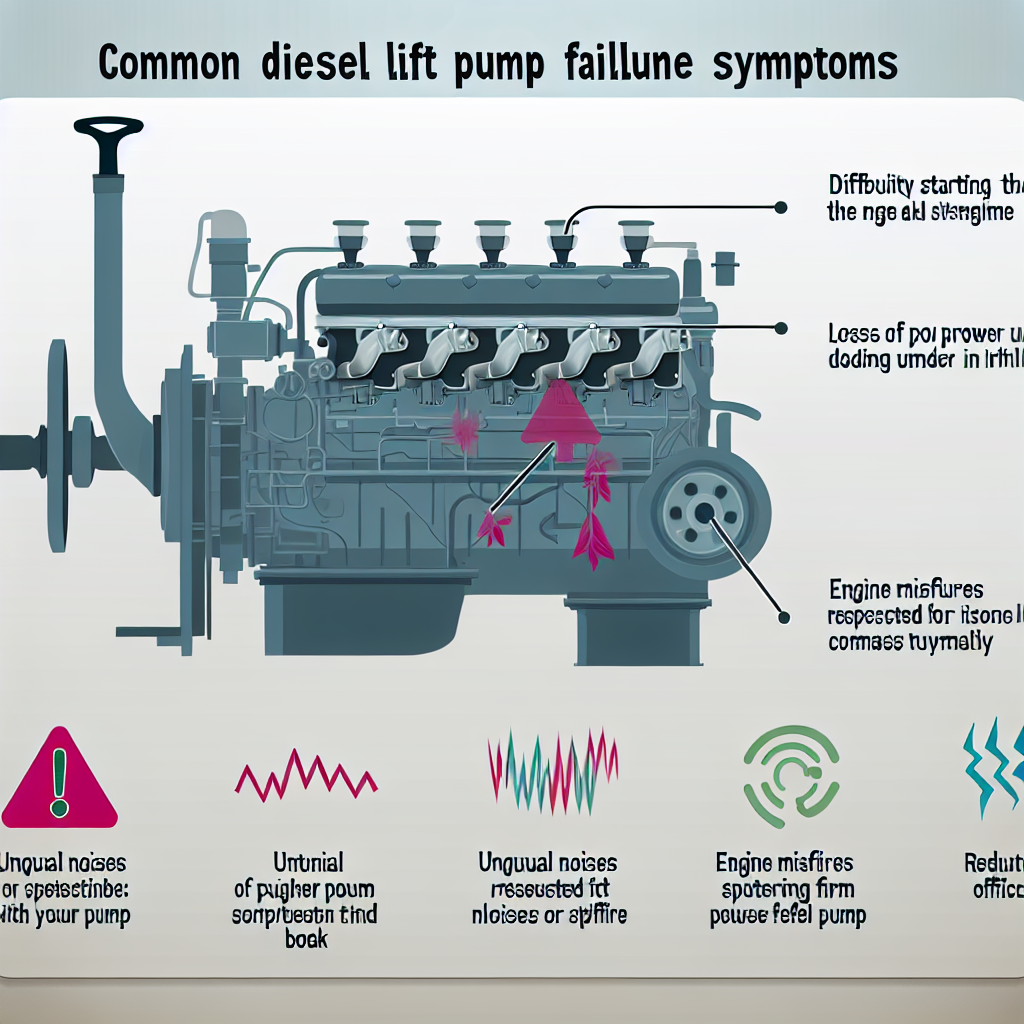
Common Symptoms of Lift Pump Failure:
- Difficulty Starting the Engine: Trouble initiating engine start can indicate pump issues.
- Loss of Power Under Load: Noticeable drop in power during acceleration or when carrying loads.
- Unusual Noises: Hearing whining or buzzing sounds can point to internal pump damage.
- Engine Misfires or Sputtering: Inconsistent fuel delivery causes misfires.
- Reduced Fuel Efficiency: Higher fuel consumption due to pump malfunction.
Precautionary Measures:
- Regular Fuel Filter Replacement: Follow manufacturer recommendations to change filters regularly.
- Maintain Adequate Fuel Levels: Avoid running low to prevent debris intake.
- Use High-Quality Fuel: Utilize reputable fuel stations to reduce contamination risks.
- Monitor Fuel Pressure: Consider installing a gauge for early detection.
Recommended Repairs:
- Lift Pump Replacement: Replace faulty pumps as they are usually cost-effective.
- Fuel System Inspection: Check for system irregularities regularly and make repairs as necessary.
- Upgrade Lift Pump: Consider high-quality aftermarket options for better performance.
By staying vigilant to these issues and adhering to preventive maintenance practices, truck owners can enhance the longevity and reliability of their vehicles’ fuel systems.
Conclusion
In conclusion, the critical role of lift pumps in diesel engines cannot be overstated. These pumps are fundamental in ensuring efficient fuel delivery, directly impacting engine performance and longevity. Regular maintenance practices, such as changing fuel filters and monitoring fuel levels, are essential to prevent common issues that can lead to costly repairs. A neglected lift pump can result in a cascade of complications that affect engine starting, performance, and may even lead to severe engine damage over time. Therefore, prioritizing maintenance not only safeguards vehicle performance but also protects the investment of diesel vehicle owners.
Consider the story of a truck owner named Mike, who, despite being aware of maintenance practices, overlooked regular checks on his lift pump. After months of neglect, he found himself stranded on the highway, unable to start his truck during a critical delivery. The lift pump had failed, leading to extensive repairs that cost him not only money but also lost business opportunities.
Conversely, there is also the case of Laura, who diligently followed maintenance guidelines for her diesel truck. She routinely changed her fuel filters and monitored the lift pump’s performance. As a result, her truck delivered consistent power and efficiency, even under heavy loads, ensuring she met all her delivery schedules without a hitch.
These stories illustrate the undeniable connection between diligent maintenance and engine reliability. Implementing a routine maintenance schedule is a proactive measure that ensures lift pumps continue to function reliably, allowing for smooth operation and extending the lifespan of the engine. Remember, a small commitment to regular care can prevent significant expenses down the line, reinforcing the need for awareness and action in lift pump maintenance.
User Adoption Trends for Diesel Lift Pumps
The adoption of diesel lift pumps has been closely tied to broader trends in the diesel vehicle market and advancements in fuel injection technologies. Reports indicate that the diesel fuel injection systems market is projected to grow from USD 9.35 billion in 2024 to USD 12.82 billion by 2034, highlighting increasing reliance on efficient systems in modern diesel engines. This growth is driven by the need for high-efficiency diesel engines that comply with stringent emission standards and improve overall fuel efficiency.
Furthermore, the automotive fuel transfer pump market, which encompasses diesel lift pumps, is expected to rise from approximately USD 57.21 billion in 2025 to USD 74.53 billion by 2035. This trend reflects an increasing adoption of electronic fuel injection systems, which are crucial for boosting the performance of diesel engines.
A significant portion of this growth can be attributed to the rising demand for advanced diesel technologies that deliver optimal fuel delivery solutions. Diesel lift pumps, serving as a vital component in these systems, play a crucial role in ensuring that fuel is supplied consistently and efficiently to the engine, thereby enhancing its performance and longevity.
These insights suggest that as diesel vehicle owners increasingly prioritize maintenance and efficiency, the adoption of diesel lift pumps will likely continue to rise. Advanced lift pumps not only contribute to better engine performance but also support compliance with environmental regulations, making them an essential investment for diesel vehicle owners.
In conclusion, understanding these trends equips diesel vehicle owners with the knowledge that supports their maintenance practices and underscores the importance of adopting modern technologies like diesel lift pumps to enhance both performance and reliability of their engines.
User Adoption Trends for Diesel Lift Pumps
The adoption of diesel lift pumps has been closely tied to broader trends in the diesel vehicle market and advancements in fuel injection technologies. Reports indicate that the diesel fuel injection systems market is projected to grow from USD 9.35 billion in 2024 to USD 12.82 billion by 2034, highlighting increasing reliance on efficient systems in modern diesel engines. This growth is driven by the need for high-efficiency diesel engines that comply with stringent emission standards and improve overall fuel efficiency.
Furthermore, the automotive fuel transfer pump market, which encompasses diesel lift pumps, is expected to rise from approximately USD 57.21 billion in 2025 to USD 74.53 billion by 2035. This trend reflects an increasing adoption of electronic fuel injection systems, which are crucial for boosting the performance of diesel engines.
A significant portion of this growth can be attributed to the rising demand for advanced diesel technologies that deliver optimal fuel delivery solutions. Diesel lift pumps, serving as a vital component in these systems, play a crucial role in ensuring that fuel is supplied consistently and efficiently to the engine, thereby enhancing its performance and longevity.
These insights suggest that as diesel vehicle owners increasingly prioritize maintenance and efficiency, the adoption of diesel lift pumps will likely continue to rise. Advanced lift pumps not only contribute to better engine performance but also support compliance with environmental regulations, making them an essential investment for diesel vehicle owners.
In conclusion, understanding these trends equips diesel vehicle owners with the knowledge that supports their maintenance practices and underscores the importance of adopting modern technologies like diesel lift pumps to enhance both performance and reliability of their engines.
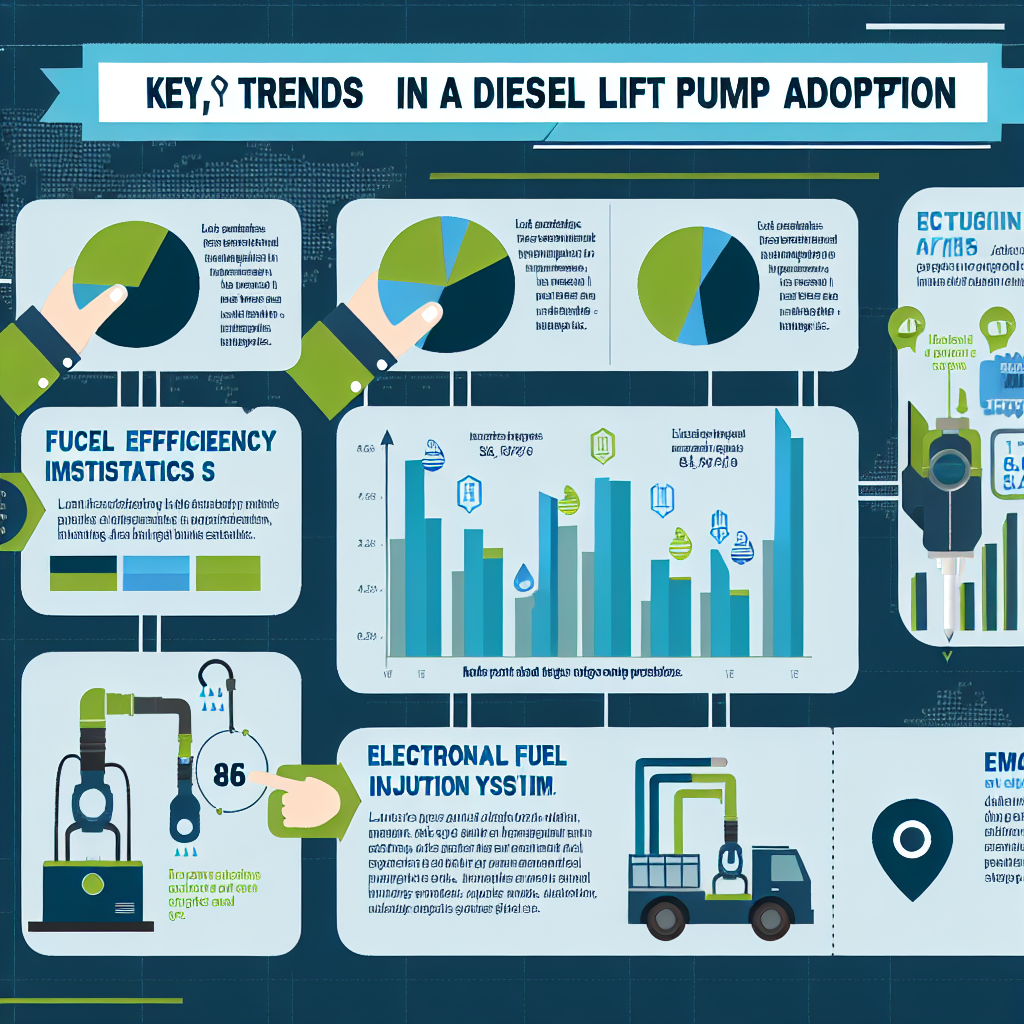
Infographic illustrating key trends in diesel lift pump adoption including market growth statistics and the role of electronic fuel injection systems.