
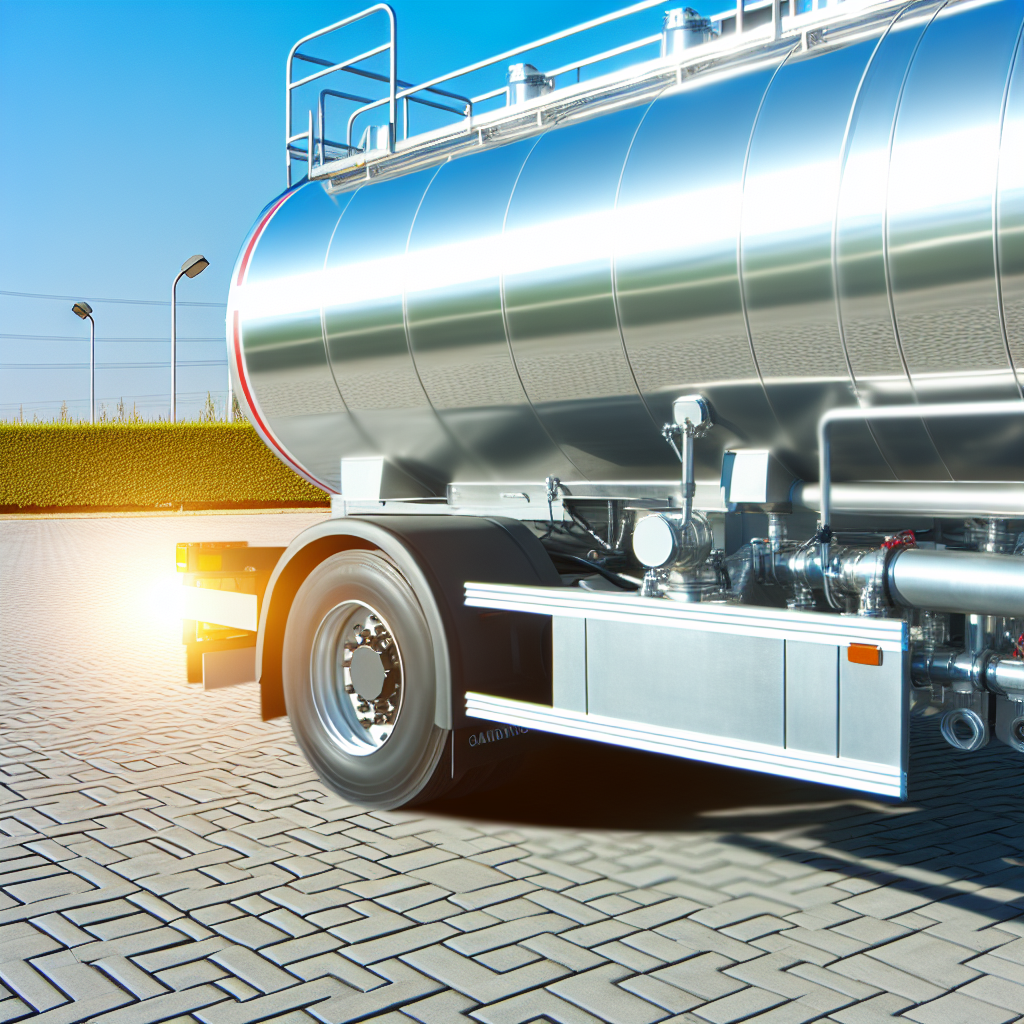
In the food transport industry, the cleanliness of food-grade tankers is not just an operational necessity; it is a paramount factor that directly influences food safety and business reputation. The integrity of the food we consume hinges on the secure and sterile transit of ingredients, making it crucial for transporters to adhere to stringent sanitation practices and cleaning protocols.
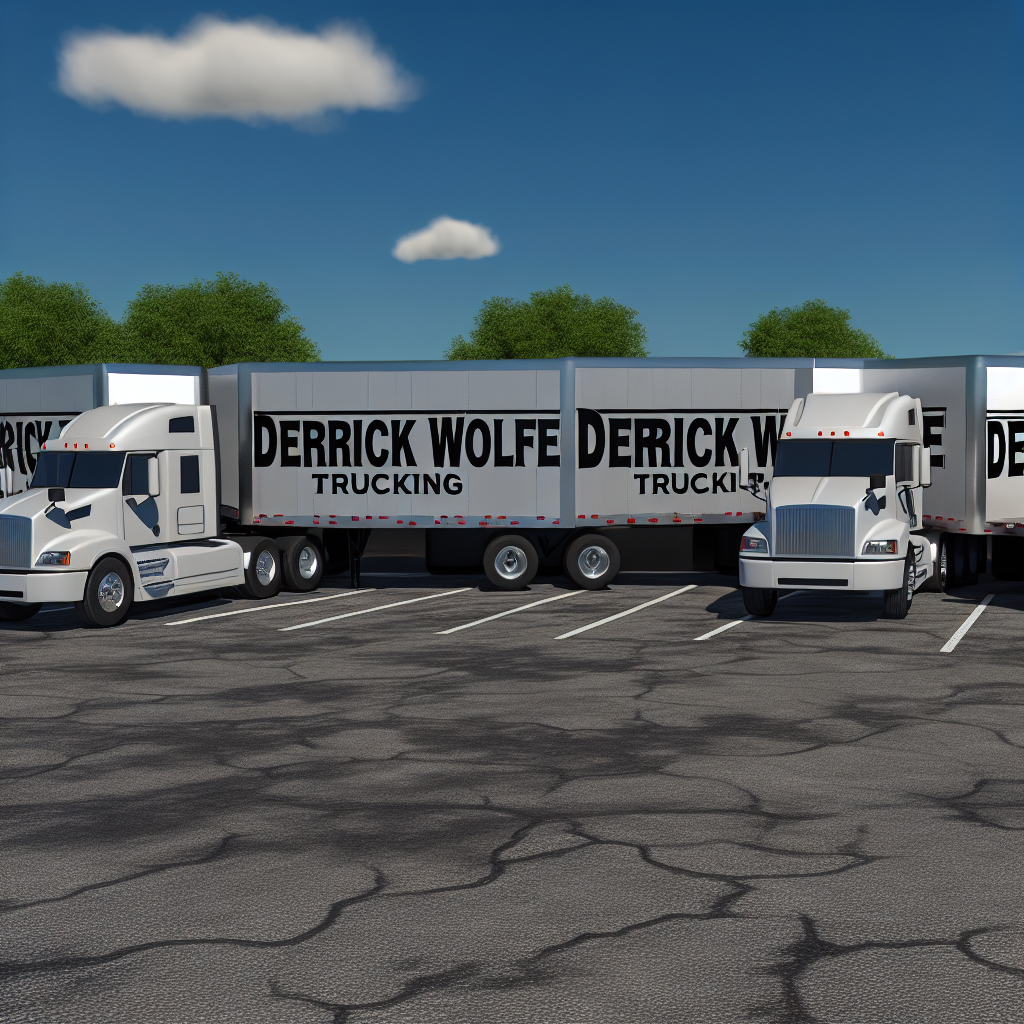
Derrick Wolfe, a leading figure in this arena, demonstrates how prioritizing cleanliness has been a cornerstone of his success. His trucking business, which has expanded impressively from one to nearly thirty trucks in just eight years, showcases a commitment to high-quality service and food safety that resonates throughout the industry. Wolfe’s approach not only enhances his company’s reputation but also reflects a dedication to the health and well-being of consumers, illustrating the vital role of meticulous cleaning practices in food-grade transport.
Regulatory Requirements
Food-grade tanker cleaning is subject to rigorous regulatory standards set forth by federal and state authorities in the United States, ensuring the safety and sanitation of food products during transport. These regulations are crucial for maintaining public health and preventing contamination of food supplies.
Federal Standards
One of the primary federal requirements is outlined by the Environmental Protection Agency (EPA) through its Transportation Equipment Cleaning (TEC) Effluent Guidelines under 40 CFR Part 442. These guidelines regulate facilities used to clean the interiors of transportation equipment, including food-grade tankers. Compliance with these standards ensures treated wastewater meets specific discharge criteria, safeguarding water quality.
State Regulations
States may impose additional requirements that are more specific to local conditions or industries. For example:
- California: The California Department of Food and Agriculture mandates that all bulk milk tankers be cleaned and sanitized at facilities that possess the necessary permits. Each tanker must display a cleaning and sanitizing tag, providing a record of details such as the date, time, and personnel involved in the cleaning process.
- Ohio: Similar to California, the Ohio Administrative Code mandates that bulk milk transport tanks undergo cleaning and sanitization after each load, accompanied by a tag that documents the cleaning history and compliance.
Consequences of Non-Compliance
Failure to comply with these regulatory requirements can lead to serious repercussions, which include:
- Legal Penalties: Regulatory bodies may impose fines, enforce suspensions, or take other legal actions against non-compliant companies.
- Risk of Product Contamination: Inadequate cleaning practices can result in cross-contamination during transport, leading to potential foodborne illnesses and product recalls, which are detrimental to consumer safety and business integrity.
- Damage to Reputation: Incidents related to non-compliance can severely impact a company’s reputation, leading to diminished customer trust and loss of business opportunities.
National Standards
While there is no singular national standard for food-grade tanker cleaning, various industry guidelines exist to promote best practices:
- The Juice Products Association (JPA) has model tanker wash guidelines that the juice industry can follow to maintain cleanliness during transit. These guidelines specify appropriate wash protocols based on previously transported products.
- The Food and Drug Administration (FDA) enforces food safety regulations through the Food Safety Modernization Act (FSMA) and the Pasteurized Milk Ordinance (PMO), underlining the necessity for stringent cleaning standards in food-grade transport.
In conclusion, understanding and adhering to these regulatory requirements is essential for any entity involved in food-grade transportation. Failure to comply not only jeopardizes food safety but also poses significant risks to business operations and consumer health.
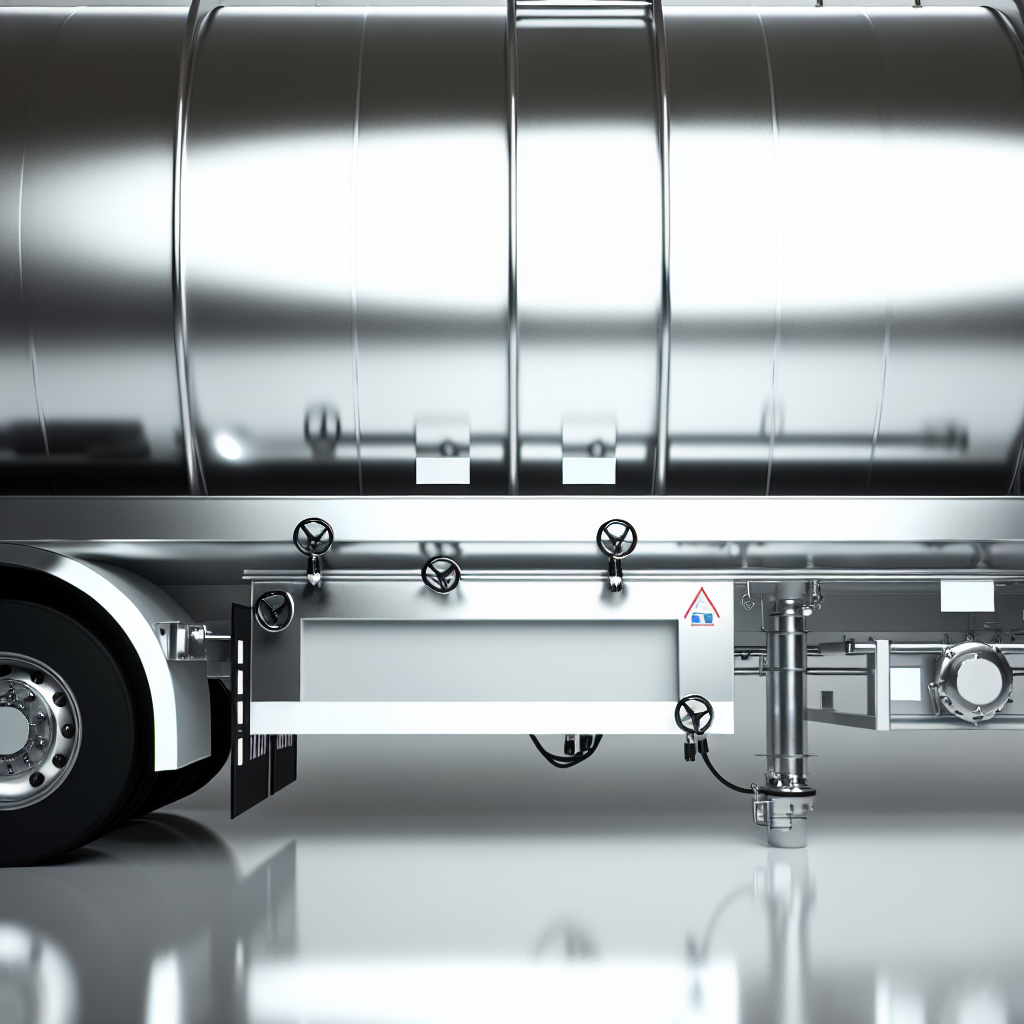
Common Cleaning Methods for Food-Grade Tankers
The sanitation of food-grade tankers is essential for ensuring safe transport of consumable goods. There are several methods employed in the cleaning of these tankers, each featuring its own advantages and disadvantages. Below, we will discuss the three most common cleaning methods: hot water washing, chemical cleaning, and dry cleaning.
Hot Water Washing
Hot water washing involves using high-temperature water, typically above 160°F, to clean the interior surfaces of the tankers.
Pros:
- Effectiveness: High temperatures can effectively remove residue, grease, and bacteria, making it a popular choice in food-grade cleaning. Source
- Simplicity: This method is straightforward and often requires minimal additional cleaning agents.
- Environmentally Friendly: Since it uses only water with heat, it minimizes chemical runoff into the environment.
Cons:
- High Energy Consumption: The need for heating water can result in increased energy costs.
- Limited Effectiveness against Certain Contaminants: For stubborn residues or specific contaminants, hot water alone may not suffice.
Chemical Cleaning
Chemical cleaning employs detergents and sanitizers designed for food-grade applications to break down residues and disinfect surfaces.
Pros:
- Versatility: Chemical cleaning can tackle a variety of residues, including fat, oils, and sugars, making it effective across a range of freight types.
- Enhanced Sanitation: The right chemicals can provide thorough disinfection, reducing the risk of contamination.
Cons:
- Chemical Residue: If not rinsed properly, residues from cleaning agents can contaminate future loads.
- Cost: Chemical cleaners can be expensive and pose additional costs for procurement and disposal.
Dry Cleaning
Also known as dry wiping or dry vacuuming, this method involves mechanical means to remove dust and debris without the use of water or chemicals.
Pros:
- Quick Turnaround: Dry cleaning can be quicker than washing, allowing for faster loading times.
- No Water Required: This method eliminates concerns about water pollution or runoff.
Cons:
- Not Suitable for All Residues: This method may not effectively handle some organic residues or sticky substances.
- Labor Intensive: It often requires more manpower to achieve satisfactory cleanliness.
In conclusion, the choice of cleaning method for food-grade tankers often depends on factors like the nature of the previous cargo, economic considerations, and environmental implications. Understanding the strengths and weaknesses of each method can help operators make informed decisions, ensuring both compliance and food safety in their operations.
| Cleaning Method | Pros | Cons |
|---|---|---|
| Hot Water Washing | – Effective in removing residues, grease, and bacteria. – Simple with minimal additional agents required. – Environmentally friendly, minimizes chemical runoff. |
– High energy consumption due to heating water. – Limited effectiveness against certain stubborn contaminants. |
| Chemical Cleaning | – Versatile, effective against a variety of residues. – Enhanced sanitation, reduces contamination risk. |
– Risk of harmful chemical residue if not rinsed properly. – Higher costs for purchasing and disposal of cleaning agents. |
| Dry Cleaning | – Quick turnaround, faster loading times. – No water needed, prevents pollution concerns. |
– Not suitable for all residues, especially organic matter. – Can be labor-intensive to achieve cleanliness. |
| Cleaning Supplier | Services Offered | Pricing Range | Customer Reviews |
|---|---|---|---|
| Russellville Tank Wash | Food-grade tank washing, kosher cleaning, quick service | Not publicly available | 4.6/5 stars (78 reviews): Prompt service and reasonable pricing but noted limited hours. |
| Xpress Tank Cleaning | Tank cleaning, food-grade washout, convenient drop-off | Not publicly available | 4.8/5 stars (12 reviews): Praised for efficiency and quality washouts. |
| Milk River LLC | Grade A Wash, Kosher Tanker Wash, after-hours service available | Grade A: $225, Kosher: $250, After Hours: $85 | Specific customer reviews not available. |
| Danny’s Truck Wash | Food-grade tanker washouts, cleaning pumps and hoses, air drying | Additional charges may apply | Specific customer reviews not available. |
| Kankakee Tank Wash | Food-grade wash certified, dairy wash certified, various other cleaning services | Not publicly available | Positive feedback on professionalism and cleanliness. |
| JC Tanker Washouts | Kosher certified, food-grade washes, numerous specialized services | Not publicly available | Specific customer reviews not available. |
General Pricing Information
Cleaning costs can range significantly based on tank size and contamination levels:
- Small tank (up to 500 gallons): $500-$1,000
- Large tank (over 2,000 gallons): $3,000-$7,000
Additional fees may apply for high contamination or specialized cleaning methods.
Best Practices for Cleaning Food-Grade Tankers
Cleaning food-grade tankers effectively is essential to ensure food safety and maintain strict hygiene standards. Here are some best practices outlined in a step-by-step approach:
Preparation
-
Assess Previous Cargo and Contamination
Evaluate the type of product that was previously transported. Understanding the cargo can help determine the appropriate cleaning method and agents needed. -
Gather Cleaning Supplies
Collect necessary supplies such as hot water, approved cleaning agents (e.g., food-grade detergents), brushes, and safety equipment (gloves, masks). -
Ensure Equipment is Ready
Before starting, ensure that all cleaning tools and equipment are in good condition and that the wash facility meets required sanitary standards.
Cleaning Process
-
Rinse the Tank
Begin with a thorough rinse using hot water (preferably above 160°F) to remove residues. This helps soften any remaining debris. -
Apply Cleaning Agents
Use suitable food-grade cleaning agents to scrub the interior surfaces. Ensure you cover all corners and crevices, as residues can easily hide there. -
Agitate
Utilize brushes or specialized cleaning tools to agitate and break down stubborn residues, ensuring an even application of cleaning agents. -
Rinse Thoroughly
After scrubbing, rinse the tank multiple times with hot water to effectively remove cleaning agents and any remaining residues. This is crucial to avoid any chemical contamination. -
Sanitation
Apply a food-safe sanitizer to disinfect the surfaces after the final rinse. Ensure contact time as per the manufacturer’s instructions. -
Drying
Let the tanker air dry completely to prevent moisture buildup which can foster bacterial growth. Ensure all manholes and openings are accessible for air circulation.
Post-Cleaning Inspection
Conduct a thorough inspection of the tank to ensure all residues and cleaning agents have been removed. Look for any signs of staining, odor, or remaining residue that could indicate incomplete cleaning.
Frequency of Cleaning
- Before Each Load: Food-grade tankers should be cleaned before transporting a new product. This excludes any possible cross-contamination between different loads.
- Regular Inspections: Even when not in use, regular inspections and maintenance cleaning (at least once a month or as needed) should be performed to maintain compliance and cleanliness until the next use.
Hints for Maintaining Standards
- Documentation: Keep detailed records of cleaning procedures, dates, and personnel involved. This can assist with regulatory compliance and quality control audits.
- Training: Ensure that all personnel involved in tanker cleaning are well-trained in both cleaning procedures and food safety standards to minimize the risk of contamination.
- Continuous Improvement: Regularly review and update cleaning protocols based on feedback, industry best practices, and new technologies that may enhance cleanliness standards.
Case Study: Derrick Wolfe Trucking
Derrick Wolfe Trucking is a prominent player in the food-grade tanker transportation sector, where maintaining high standards of cleanliness is not just critical for regulatory compliance but also for ensuring the safety of the food products being transported. Over time, Wolfe has developed and implemented effective cleaning practices that set his operations apart in the industry.
Cleaning Practices and Techniques
One of the cornerstones of Derrick Wolfe Trucking’s cleaning strategy is the use of Cleaning-in-Place (CIP) systems. These systems allow for thorough cleaning of the inside surfaces of the tanks without the need for disassembly. By circulating specially formulated cleaning solutions through the tanker, Wolfe ensures that every corner is addressed, maximizing cleanliness while minimizing labor time.
Post-cleaning procedures also emphasize drying techniques that are vital to prevent microbial growth. Derrick Wolfe Trucking employs portable air heaters that deliver clean, dry, and warm air into the tanks, effectively eliminating any moisture remnants that could lead to contamination.
Successful Outcomes
The implementation of these innovative cleaning methodologies has not just fulfilled the necessary hygiene standards but has also resulted in operational efficiencies. The company’s ability to maintain a high cleanliness standard has led to increased customer satisfaction, as clients feel assured about the safety of their liquid food products. By consistently adhering to industry best practices, Derrick Wolfe Trucking has solidified its reputation as a reliable partner in the food-grade transport sector.
Moreover, the investment in advanced cleaning technologies and training for staff ensures that all employees are aware of and understand the importance of these protocols. This not only uplifts the operational standard but also cultivates a workplace culture centered around safety and quality.
Conclusion
In conclusion, Derrick Wolfe Trucking’s commitment to exceptional cleaning practices plays a pivotal role in its operational success. By embracing thorough cleaning technologies and methodologies, the company not only protects the integrity of food products but also positions itself as a leader in the food-grade transportation industry. Continual adaptation and adherence to best practices are key factors that contribute to their growing success in an increasingly competitive market.
Conclusion: Key Takeaways on Cleaning Food-Grade Tankers
In the food transportation industry, maintaining the highest cleaning standards for food-grade tankers is essential not only for regulatory compliance but also for ensuring public safety and maintaining a strong business reputation. Cleanliness directly impacts food safety across the supply chain, preventing cross-contamination and protecting the health of consumers.
Fleet owners should be aware of different cleaning methods—such as hot water washing, chemical cleaning, and dry cleaning—each of which has its own pros and cons. Choosing the right method based on the previous cargo and specific contaminants is critical for achieving effective sanitation.
Adhering to regulatory requirements is paramount. Failing to comply not only risks legal penalties but also threatens food safety and can severely damage a company’s reputation. Regular audits, documentation, and adherence to industry best practices can help mitigate these risks.
The article also outlines best practices for cleaning food-grade tankers, emphasizing the importance of preparation, thorough cleaning processes, post-cleaning inspections, and staff training. Following these best practices will help fleet owners maintain compliance with cleanliness standards, ensuring the safe transport of food products.
The case study of Derrick Wolfe Trucking exemplifies the successful application of effective cleaning protocols. Wolfe’s commitment to cleanliness has enhanced his business’s reputation and operational efficiency in the food-grade transport sector.
In conclusion, fleet owners must prioritize cleanliness and adopt the best practices discussed in this article. By doing so, they will safeguard not only their operations but also the well-being of consumers who rely on the integrity of the food supply.
Encouraging a culture of cleanliness can lead to increased customer trust and long-term success in the industry.
Quotes for Emotional Resonance
In the trucking industry, especially when it comes to food-grade transport, the emphasis on cleanliness resonates profoundly within operations and employee morale. Here are some impactful quotes inspired by Derrick Wolfe’s philosophy on the significance of high cleaning standards:
-
“Prioritizing cleanliness reflects our commitment to food safety, which leads to operational success and elevates employee pride.”
This statement highlights how a strong focus on hygiene not only protects consumers but also makes employees feel valued and proud to be part of a reputable organization.
-
“A clean truck is not just a regulatory requirement; it’s a mark of respect for our customers and an assurance of quality that our drivers can trust.”
Here, the importance of maintaining cleanliness is tied directly to customer relationships and employee trust, emphasizing how essential it is for both business success and internal culture.
These perspectives can truly enhance the emotional engagement of the narrative surrounding Dunn Wolfe Trucking’s operational excellence and commitment to quality.
Quotes for Emotional Resonance
To personalize the narrative and engage emotionally with readers, let us share some insightful quotes from Derrick Wolfe that encapsulate his philosophy on cleanliness, operational excellence, and customer service within the food-grade transport industry.
-
“It’s really simple, but a lot of companies get that part wrong.”
This quote underscores Wolfe’s recognition that maintaining cleanliness and high standards is straightforward but often overlooked by others in the industry.
-
“I take the time to know their families, to know their hobbies, what makes them tick, what they like and what they don’t like.”
This statement emphasizes the importance Wolfe places on personal connections with employees and clients, fostering a relationship built on trust and mutual understanding.
-
“A lot of carriers, they’re all about cost-per-mile. But I’ve always had a problem with that.”
Wolfe highlights a unique approach to managing operations with an emphasis on quality over metrics tied to purely financial considerations.
-
“If something is failing with one supplier, he will go above and beyond and try to mitigate it with another load.”
This quote illustrates Wolfe’s commitment to proactive problem-solving and adaptability, further reinforcing the importance of maintaining high standards in cleanliness and service.
By integrating these quotes into the narrative, readers gain deeper insight into Derrick Wolfe’s values and the principles guiding his successful trucking operations, enhancing emotional engagement and resonance throughout the discussion.