
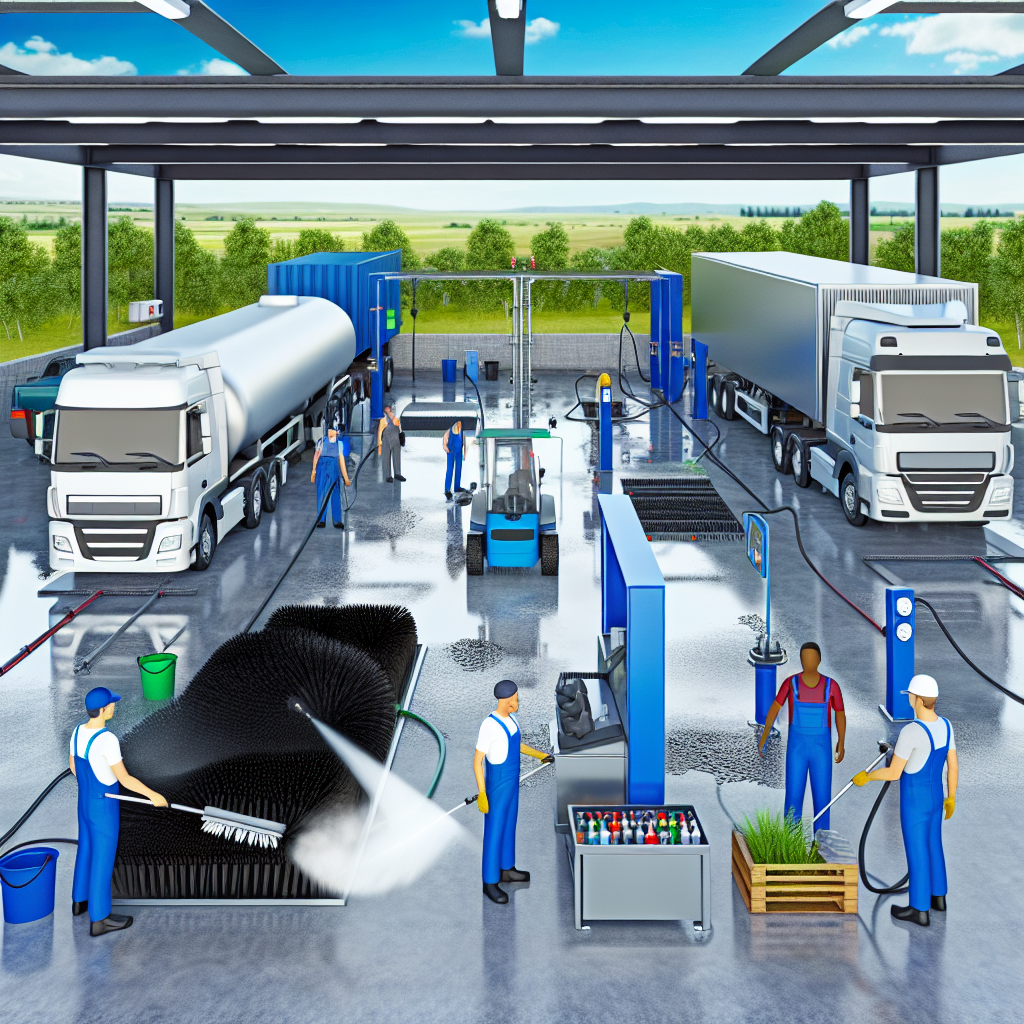
In the fast-paced world of trucking, maintaining the cleanliness of vehicles is not merely a cosmetic concern but a critical element of operational efficiency. Advanced cleaning techniques, particularly for the challenging tasks of grease and tar removal, play a vital role in the success of trucking operations. As trucks are frequently exposed to demanding environments and heavy loads, grease and tar accumulation can significantly hinder vehicle performance, compromise safety, and reduce the longevity of essential components. Furthermore, understanding truck cleaning techniques is crucial for keeping operations running smoothly.
For truck fleet owners, this presents a series of challenges. Not only do they have to ensure that their vehicles remain in optimal working condition, but they also need to uphold a professional image that is essential for client satisfaction and regulatory compliance. Regular cleaning is crucial to prevent harmful buildups that can lead to increased maintenance costs and unexpected downtime. Furthermore, advanced cleaning methods can minimize the time required for washing, allowing fleet operators to allocate their resources more effectively, ultimately enhancing productivity. Thus, the significance of maintaining a clean fleet cannot be understated; it directly impacts operational efficiency, safety standards, and the overall reputation of the fleet.
Mastering the Art of Cleaning: Techniques to Combat Grease and Tar
Advanced Cleaning Techniques for Grease Removal from Trucks
Maintaining a clean truck not only enhances its appearance but also ensures optimal performance. Here are some of the top advanced techniques for effectively removing grease:
1. Pressure Washing
- Applications: Ideal for cleaning truck exteriors, undercarriages, and engine compartments.
- Advantages:
- High-pressure water effectively dislodges grease and grime.
- Hot water (above 180°F) enhances the emulsification process, making grease removal more efficient [source].
2. Steam Cleaning
- Applications: Best suited for sanitizing and cleaning areas where grease accumulates, such as engine components and undercarriages.
- Advantages:
- High temperatures dissolve grease without relying on chemicals.
- Environmentally friendly, minimizing chemical usage.
- Ability to reach intricate areas, ensuring thorough cleaning [source].
3. Chemical Solutions
- Applications: Used alongside pressure washing or manual cleaning for greasy areas like engine bays and chassis.
- Advantages:
- Specialized formulations target different grease types and surfaces.
- Biodegradable options are available, making them environmentally friendly.
- Highly effective in breaking down stubborn and hardened grease deposits [source].
These techniques can be effectively utilized in combination, allowing for comprehensive cleaning processes tailored to specific truck conditions. Understanding when to apply each method can significantly enhance grease removal efficiency and maintain the overall functionality and appearance of trucking fleets.
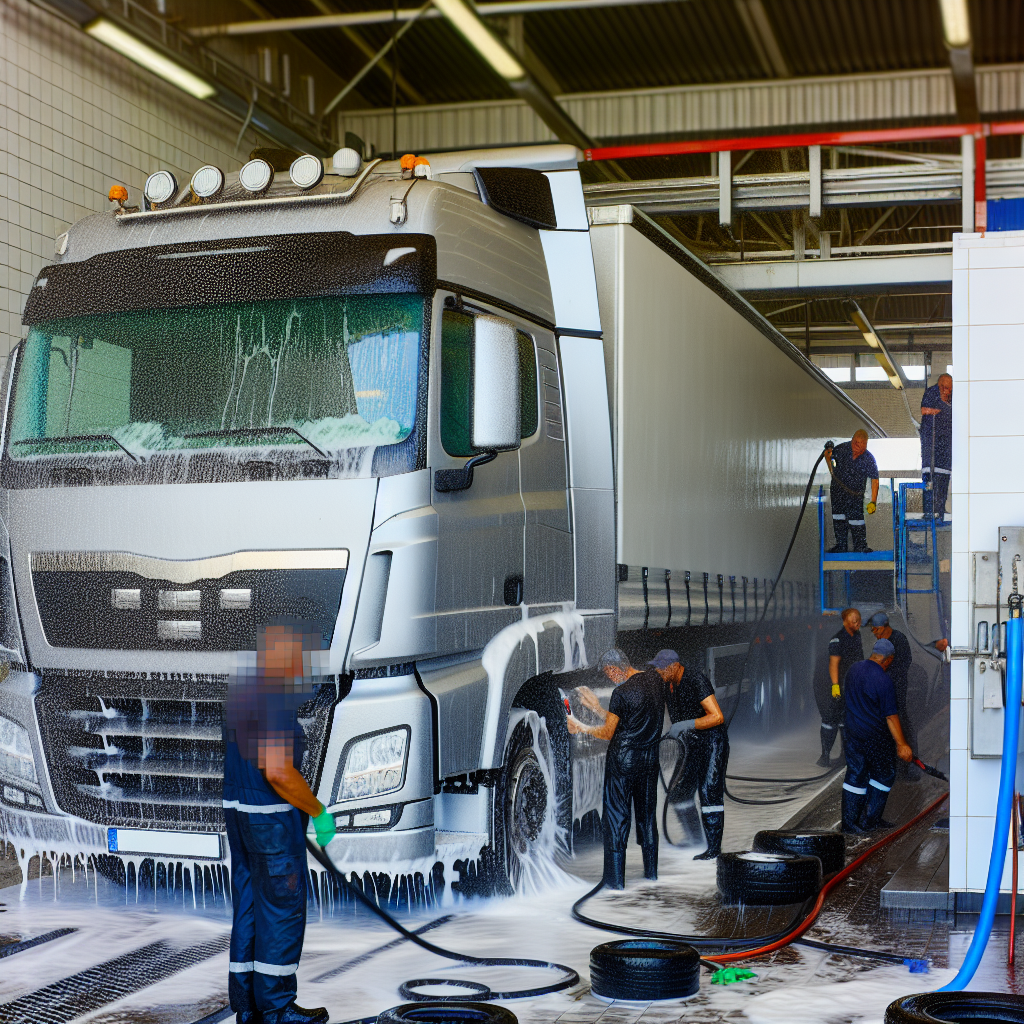
User Testimonials on Advanced Cleaning Techniques for Grease and Tar Removal
User testimonials have highlighted several advanced cleaning products that excel in removing grease and tar from trucks, showcasing their effectiveness and quality of service. Below are some notable mentions:
1. Stoner Tarminator
Renowned for its ability to tackle tough tar and grease, Stoner Tarminator has received rave reviews from truck drivers, especially those in the asphalt hauling business. One driver noted,
“I drive a dump truck hauling asphalt for a living… Tarminator makes it easy. I’ve tried several products, but none come close to comparing with Tarminator.”
More details can be found on Detail Arsenal.
Another user echoed this sentiment, mentioning,
“After the first spray in seconds I literally watched tar just drip off.”
2. ProElite Bug and Tar Remover Spray
This product is favored for its effectiveness in removing stubborn tar spots. A user shared,
“I passed a truck on the highway and got splattered by what I think was some loose tar… This took it all off with some elbow grease. I was really surprised by how well and how easily I was able to get the crud off.”
Find more about ProElite products on ProElite’s website.
3. GRITT Commercial Concrete Oil Stain Remover
Although primarily for concrete, users have found it effective for trucks too. As one user stated,
“This stuff is magic… I poured the liquid on the various areas and let it sit overnight… I was blown away by the results!”
Check out GRITT’s website for additional details (gritt.com).
4. HD Cleaner
Endorsed by industry professionals, this heavy-duty cleaner has made a significant impact on efficiency. An asphalt contractor reported,
“HD Cleaner dramatically reduced our cleanup times.”
More information can be found at BG Chemicals.
These testimonials demonstrate the reliability of the products in providing high-quality cleaning solutions, reinforcing user confidence in the overall service.
Common Challenges in Grease and Tar Removal for Truck Fleet Owners
Maintaining cleanliness in truck fleets is fraught with challenges, particularly due to the accumulation of grease and tar. These challenges can have significant implications for fleet operations, including increased maintenance costs, safety risks, operational inefficiencies, and impacts on reputation.
Maintenance Costs
Grease and tar buildup can lead to serious mechanical issues if not addressed regularly. Over time, this accumulation contributes to corrosion and other failures within the truck’s components, necessitating expensive repairs. Filters and radiators can become clogged, causing overheating and ultimately leading to engine malfunctions. Regular cleaning can help avert these costly repairs, directly impacting the bottom line and overall maintenance expenses. By investing in timely cleaning services, fleet owners can save significantly on maintenance and repair costs, as untreated grease and tar can result in damages that require extensive work to rectify.
Safety Risks
Dirty trucks pose heightened safety risks on the road. Grease and tar can obstruct windshields, mirrors, and lights, severely impairing visibility for drivers. This can lead to potential accidents, putting not only the truck drivers but also other road users at risk. Furthermore, slippery surfaces from grease accumulation increase the likelihood of slip-and-fall incidents for drivers and maintenance personnel, highlighting the essential need for regular cleanliness maintenance to protect all involved.
Operational Inefficiencies
When trucks become excessively dirty, they are more prone to breakdowns. Such breakdowns result in unplanned downtime, disrupting schedules and logistics. Fleet operators can incur substantial costs as each hour of downtime might cost up to $1,000 due to missed deliveries and decreased customer satisfaction. By implementing regular grease and tar removal processes, fleet owners can maintain vehicle operability, avoid unexpected breakdowns, and ensure their operations run smoothly, preserving productivity levels.
Impact on Reputation
The cleanliness of a fleet is critical to a company’s public image. A dirty vehicle can tarnish a brand’s reputation, making it more challenging to secure contracts and maintain customer trust. Companies recognized for their excellence in service often emphasize the importance of maintaining their fleets in pristine condition, and those with visually appealing trucks are perceived as 20% more trustworthy than those that do not prioritize cleanliness. Thus, maintaining a clean fleet is vital for both operational success and positive public perception.
Overall, the challenges of grease and tar removal in trucks underscore the need for truck fleet owners to adopt proactive cleaning strategies. These strategies can help manage costs, enhance safety, improve operational efficiency, and uphold a positive reputation in a competitive industry.
Comparison of Cleaning Products for Grease and Tar Removal
| Product Name | Cost (per 32 oz) | Environmental Impact | User Ratings (out of 5) |
|---|---|---|---|
| Stoner Tarminator | $10.99 | Biodegradable | 4.8 |
| ProElite Bug and Tar Remover | $8.99 | Biodegradable | 4.5 |
| GRITT Commercial Concrete Oil Stain Remover | $12.49 | Chemical-based | 4.7 |
| HD Cleaner | $14.99 | Biodegradable | 4.6 |
| Simple Green Heavy-Duty Cleaner | $9.99 | Biodegradable | 4.4 |
This table compares various cleaning products designed for grease and tar removal. The effectiveness, cost, environmental impact, and user ratings highlight important considerations for truck fleet owners when choosing their cleaning solutions.
Comparison of Cleaning Products for Grease and Tar Removal
| Product Name | Cost (per 32 oz) | Environmental Impact | User Ratings (out of 5) |
|---|---|---|---|
| Stoner Tarminator | $10.99 | Biodegradable | 4.8 |
| ProElite Bug and Tar Remover | $8.99 | Biodegradable | 4.5 |
| GRITT Commercial Concrete Oil Stain Remover | $12.49 | Chemical-based | 4.7 |
| HD Cleaner | $14.99 | Biodegradable | 4.6 |
| Simple Green Heavy-Duty Cleaner | $9.99 | Biodegradable | 4.4 |
This table compares various cleaning products designed for grease and tar removal. The effectiveness, cost, environmental impact, and user ratings highlight important considerations for truck fleet owners when choosing their cleaning solutions.
Conclusion
In conclusion, advanced cleaning techniques are essential for maintaining both the aesthetics and operational efficiency of trucking fleets. As we have discussed, the accumulation of grease and tar not only detracts from the visual appeal of trucks but also poses serious implications for their functionality, safety, and overall cost of operation. Adopting these cleaning methods can significantly extend the life of the vehicles, reduce maintenance expenses, and enhance the overall safety for drivers and other road users.
Furthermore, a clean fleet can greatly enhance a company’s reputation, allowing businesses to present a professional image that fosters trust and satisfaction among clients. By implementing pressure washing, steam cleaning, and appropriate chemical solutions, truck fleet owners can combat the challenges posed by grease and tar effectively.
We encourage all truck operators and fleet managers to take proactive steps towards incorporating these advanced cleaning techniques into their regular maintenance schedules. Not only will this commitment result in cleaner trucks, but it will also lead to improved performance, reduced risks, and greater operational efficiency. Embrace the importance of cleanliness today, and watch as it transforms your trucking operations.
Insights from Industry Leaders on Cleanliness in Trucking Operations
Cleanliness in trucking operations is a key topic among industry leaders, who stress its critical impact on safety, efficiency, and reputation. Here are some insightful quotes that encapsulate these views:
“A clean truck is a direct reflection of how we conduct our business. It signifies professionalism and controls perceptions, which is essential for customer trust and satisfaction.”
“When our fleet is clean, it not only helps maintain operational efficiency but also enhances our public image. A dirty vehicle can suggest neglect, which is detrimental in this competitive market.”
“The safety of our drivers is paramount, and maintaining cleanliness is an integral part of that. Unclean windshields and mirrors can impair visibility, which increases the risk of accidents on the road.”
“In an industry where compliance is crucial, regular washing of our fleet ensures we meet both legal requirements and client expectations. Clean trucks are a necessity, not just an option.”
“Keeping your fleet clean is a very important part of a company’s maintenance program – both for longevity of the equipment and brand image.”
These insights highlight that maintaining cleanliness in trucking operations encompasses much more than aesthetics; it is fundamentally tied to safety, efficiency, and sustaining a positive reputation in the industry.
Insights from Industry Leaders on Cleanliness in Trucking Operations
Cleanliness in trucking operations is a key topic among industry leaders, who stress its critical impact on safety, efficiency, and reputation. Here are some insightful quotes that encapsulate these views:
“A clean truck is a direct reflection of how we conduct our business. It signifies professionalism and controls perceptions, which is essential for customer trust and satisfaction.”
– Anonymous Industry Leader
“When our fleet is clean, it not only helps maintain operational efficiency but also enhances our public image. A dirty vehicle can suggest neglect, which is detrimental in this competitive market.”
– H2ompw.com
“The safety of our drivers is paramount, and maintaining cleanliness is an integral part of that. Unclean windshields and mirrors can impair visibility, which increases the risk of accidents on the road.”
– Powercleanmobilewash.com
“In an industry where compliance is crucial, regular washing of our fleet ensures we meet both legal requirements and client expectations. Clean trucks are a necessity, not just an option.”
– Anonymous Industry Expert
These insights highlight that maintaining cleanliness in trucking operations encompasses much more than aesthetics; it is fundamentally tied to safety, efficiency, and sustaining a positive reputation in the industry.
In the fast-paced world of trucking, maintaining the cleanliness of vehicles is not merely a cosmetic concern but a critical element of operational efficiency. Advanced cleaning techniques, particularly for the challenging tasks of grease and tar removal, play a vital role in the success of trucking operations. As trucks are frequently exposed to demanding environments and heavy loads, grease and tar accumulation can significantly hinder vehicle performance, compromise safety, and reduce the longevity of essential components.
For truck fleet owners, this presents a series of challenges. Not only do they have to ensure that their vehicles remain in optimal working condition, but they also need to uphold a professional image that is essential for client satisfaction and regulatory compliance. Regular cleaning is crucial to prevent harmful buildups that can lead to increased maintenance costs and unexpected downtime. Furthermore, advanced cleaning methods can minimize the time required for washing, allowing fleet operators to allocate their resources more effectively, ultimately enhancing productivity. Thus, the significance of maintaining a clean fleet cannot be understated; it directly impacts operational efficiency, safety standards, and the overall reputation of the fleet.
Mastering the Art of Cleaning: Techniques to Combat Grease and Tar
Advanced Cleaning Techniques for Grease Removal from Trucks
Maintaining a clean truck not only enhances its appearance but also ensures optimal performance. Here are some of the top advanced techniques for effectively removing grease:
1. Pressure Washing
- Applications: Ideal for cleaning truck exteriors, undercarriages, and engine compartments.
- Advantages:
- High-pressure water effectively dislodges grease and grime.
- Hot water (above 180°F) enhances the emulsification process, making grease removal more efficient (source).
2. Steam Cleaning
- Applications: Best suited for sanitizing and cleaning areas where grease accumulates, such as engine components and undercarriages.
- Advantages:
- High temperatures dissolve grease without relying on chemicals,
- Environmentally friendly, minimizing chemical usage.
- Ability to reach intricate areas, ensuring thorough cleaning (source).
3. Chemical Solutions
- Applications: Used alongside pressure washing or manual cleaning for greasy areas like engine bays and chassis.
- Advantages:
- Specialized formulations target different grease types and surfaces.
- Biodegradable options are available, making them environmentally friendly.
- Highly effective in breaking down stubborn and hardened grease deposits (source).
These techniques can be effectively utilized in combination, allowing for comprehensive cleaning processes tailored to specific truck conditions. Understanding when to apply each method can significantly enhance grease removal efficiency and maintain the overall functionality and appearance of trucking fleets.
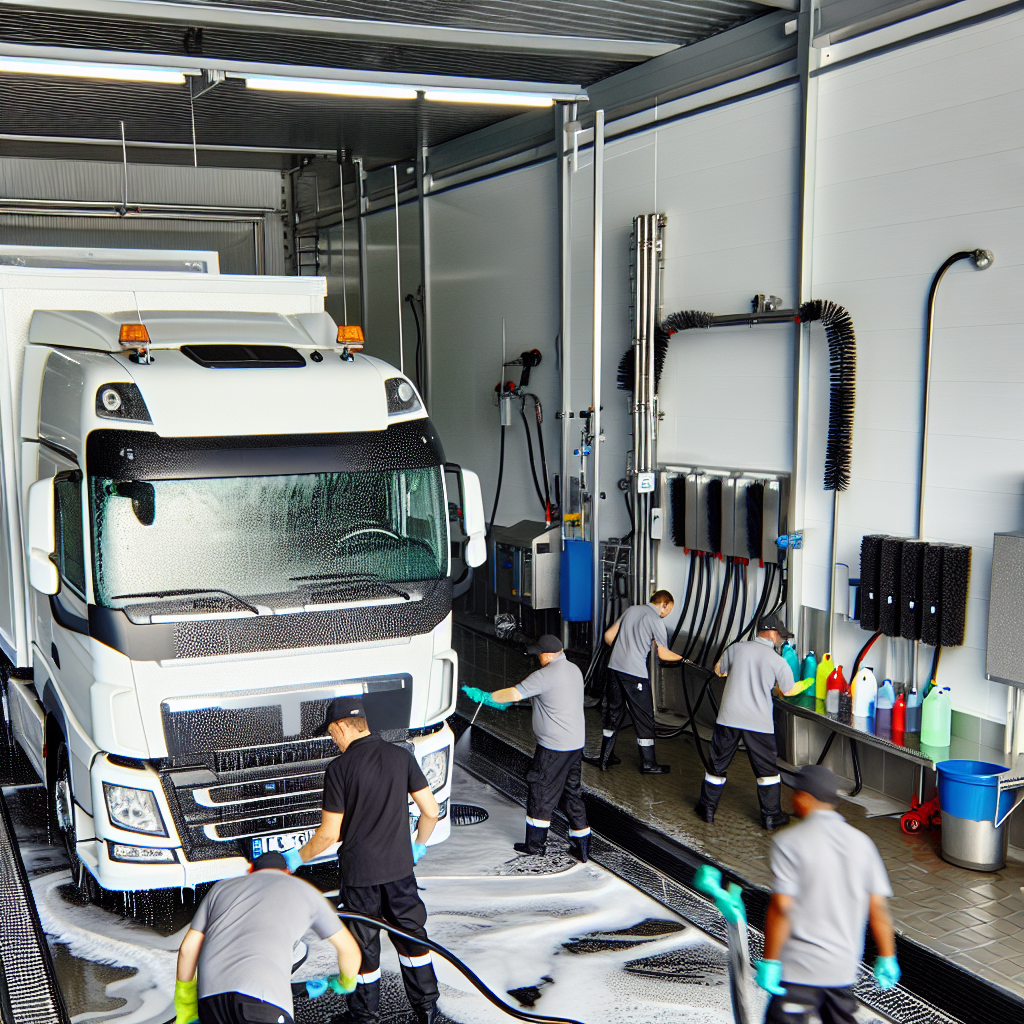
User Testimonials on Advanced Cleaning Techniques for Grease and Tar Removal
User testimonials have highlighted several advanced cleaning products that excel in removing grease and tar from trucks, showcasing their effectiveness and quality of service. Below are some notable mentions:
1. Stoner Tarminator
Renowned for its ability to tackle tough tar and grease, Stoner Tarminator has received rave reviews from truck drivers, especially those in the asphalt hauling business. One driver noted,
“I drive a dump truck hauling asphalt for a living… Tarminator makes it easy. I’ve tried several products, but none come close to comparing with Tarminator.”
Another user echoed this sentiment, mentioning,
“After the first spray in seconds I literally watched tar just drip off.”
2. ProElite Bug and Tar Remover Spray
This product is favored for its effectiveness in removing stubborn tar spots. A user shared,
“I passed a truck on the highway and got splattered by what I think was some loose tar… This took it all off with some elbow grease. I was really surprised by how well and how easily I was able to get the crud off.”
3. GRITT Commercial Concrete Oil Stain Remover
Although primarily for concrete, users have found it effective for trucks too. As one user stated,
“This stuff is magic… I poured the liquid on the various areas and let it sit overnight… I was blown away by the results!”
4. HD Cleaner
Endorsed by industry professionals, this heavy-duty cleaner has made a significant impact on efficiency. An asphalt contractor reported,
“HD Cleaner dramatically reduced our cleanup times.”
These testimonials demonstrate the reliability of the products in providing high-quality cleaning solutions, reinforcing user confidence in the overall service.
Common Challenges in Grease and Tar Removal for Truck Fleet Owners
Maintaining cleanliness in truck fleets is fraught with challenges, particularly due to the accumulation of grease and tar. These challenges can have significant implications for fleet operations, including increased maintenance costs, safety risks, operational inefficiencies, and impacts on reputation.
Maintenance Costs
Grease and tar buildup can lead to serious mechanical issues if not addressed regularly. Over time, this accumulation contributes to corrosion and other failures within the truck’s components, necessitating expensive repairs. Filters and radiators can become clogged, causing overheating and ultimately leading to engine malfunctions. Regular cleaning can help avert these costly repairs, directly impacting the bottom line and overall maintenance expenses. By investing in timely cleaning services, fleet owners can save significantly on maintenance and repair costs, as untreated grease and tar can result in damages that require extensive work to rectify.
Safety Risks
Dirty trucks pose heightened safety risks on the road. Grease and tar can obstruct windshields, mirrors, and lights, severely impairing visibility for drivers. This can lead to potential accidents, putting not only the truck drivers but also other road users at risk. Furthermore, slippery surfaces from grease accumulation increase the likelihood of slip-and-fall incidents for drivers and maintenance personnel, highlighting the essential need for regular cleanliness maintenance to protect all involved.
Operational Inefficiencies
When trucks become excessively dirty, they are more prone to breakdowns. Such breakdowns result in unplanned downtime, disrupting schedules and logistics. Fleet operators can incur substantial costs as each hour of downtime might cost up to $1,000 due to missed deliveries and decreased customer satisfaction. By implementing regular grease and tar removal processes, fleet owners can maintain vehicle operability, avoid unexpected breakdowns, and ensure their operations run smoothly, preserving productivity levels.
Impact on Reputation
The cleanliness of a fleet is critical to a company’s public image. A dirty vehicle can tarnish a brand’s reputation, making it more challenging to secure contracts and maintain customer trust. Companies recognized for their excellence in service often emphasize the importance of maintaining their fleets in pristine condition, and those with visually appealing trucks are perceived as 20% more trustworthy than those that do not prioritize cleanliness. Thus, maintaining a clean fleet is vital for both operational success and positive public perception.
Overall, the challenges of grease and tar removal in trucks underscore the need for truck fleet owners to adopt proactive cleaning strategies. These strategies can help manage costs, enhance safety, improve operational efficiency, and uphold a positive reputation in a competitive industry.
Comparison of Cleaning Products for Grease and Tar Removal
| Product Name | Cost (per 32 oz) | Environmental Impact | User Ratings (out of 5) |
|---|---|---|---|
| Stoner Tarminator | $10.99 | Biodegradable | 4.8 |
| ProElite Bug and Tar Remover | $8.99 | Biodegradable | 4.5 |
| GRITT Commercial Concrete Oil Stain Remover | $12.49 | Chemical-based | 4.7 |
| HD Cleaner | $14.99 | Biodegradable | 4.6 |
| Simple Green Heavy-Duty Cleaner | $9.99 | Biodegradable | 4.4 |
This table compares various cleaning products designed for grease and tar removal. The effectiveness, cost, environmental impact, and user ratings highlight important considerations for truck fleet owners when choosing their cleaning solutions.
Conclusion
In conclusion, advanced cleaning techniques are essential for maintaining both the aesthetics and operational efficiency of trucking fleets. As we have discussed, the accumulation of grease and tar not only detracts from the visual appeal of trucks but also poses serious implications for their functionality, safety, and overall cost of operation. Adopting these cleaning methods can significantly extend the life of the vehicles, reduce maintenance expenses, and enhance the overall safety for drivers and other road users.
Furthermore, a clean fleet can greatly enhance a company’s reputation, allowing businesses to present a professional image that fosters trust and satisfaction among clients. By implementing pressure washing, steam cleaning, and appropriate chemical solutions, truck fleet owners can combat the challenges posed by grease and tar effectively.
We encourage all truck operators and fleet managers to take proactive steps towards incorporating these advanced cleaning techniques into their regular maintenance schedules. Not only will this commitment result in cleaner trucks, but it will also lead to improved performance, reduced risks, and greater operational efficiency. Embrace the importance of cleanliness today, and watch as it transforms your trucking operations.
Insights from Industry Leaders on Cleanliness in Trucking Operations
Cleanliness in trucking operations is a key topic among industry leaders, who stress its critical impact on safety, efficiency, and reputation. Here are some insightful quotes that encapsulate these views:
“A clean truck is a direct reflection of how we conduct our business. It signifies professionalism and controls perceptions, which is essential for customer trust and satisfaction.”
– Anonymous Industry Leader
“When our fleet is clean, it not only helps maintain operational efficiency but also enhances our public image. A dirty vehicle can suggest neglect, which is detrimental in this competitive market.”
– H2ompw.com
“The safety of our drivers is paramount, and maintaining cleanliness is an integral part of that. Unclean windshields and mirrors can impair visibility, which increases the risk of accidents on the road.”
– Powercleanmobilewash.com
“In an industry where compliance is crucial, regular washing of our fleet ensures we meet both legal requirements and client expectations. Clean trucks are a necessity, not just an option.”
– Anonymous Industry Expert
These insights highlight that maintaining cleanliness in trucking operations encompasses much more than aesthetics; it is fundamentally tied to safety, efficiency, and sustaining a positive reputation in the industry.
Advanced Cleaning Techniques for Grease Removal from Trucks
Maintaining a clean truck not only enhances its appearance but also ensures optimal performance. Here are some of the top advanced techniques for effectively removing grease:
1. Pressure Washing
- Applications: Ideal for cleaning truck exteriors, undercarriages, and engine compartments.
- Advantages:
- High-pressure water effectively dislodges grease and grime.
- Hot water (above 180°F) enhances the emulsification process, making grease removal more efficient (source).
2. Steam Cleaning
- Applications: Best suited for sanitizing and cleaning areas where grease accumulates, such as engine components and undercarriages.
- Advantages:
- High temperatures dissolve grease without relying on chemicals,
- Environmentally friendly, minimizing chemical usage.
- Ability to reach intricate areas, ensuring thorough cleaning (source).
3. Chemical Solutions
- Applications: Used alongside pressure washing or manual cleaning for greasy areas like engine bays and chassis.
- Advantages:
- Specialized formulations target different grease types and surfaces.
- Biodegradable options are available, making them environmentally friendly.
- Highly effective in breaking down stubborn and hardened grease deposits (source).
These techniques can be effectively utilized in combination, allowing for comprehensive cleaning processes tailored to specific truck conditions. Understanding when to apply each method can significantly enhance grease removal efficiency and maintain the overall functionality and appearance of trucking fleets.
The effectiveness of these techniques is mirrored in user testimonials, where truck owners emphasize their experiences with various products. For instance, many truck drivers have found considerable success in their cleaning efforts through user-friendly products that complement these advanced techniques. Testimonials from industry professionals reinforce the benefits of pressure washing, steam cleaning, and specialized chemical solutions, highlighting how these methods simplify their grease removal processes.
User Testimonials on Advanced Cleaning Techniques for Grease and Tar Removal
User testimonials have highlighted several advanced cleaning products that excel in removing grease and tar from trucks, showcasing their effectiveness and quality of service. Below are some notable mentions:
1. Stoner Tarminator
Renowned for its ability to tackle tough tar and grease, Stoner Tarminator has received rave reviews from truck drivers, especially those in the asphalt hauling business. One driver noted,
“I drive a dump truck hauling asphalt for a living… Tarminator makes it easy. I’ve tried several products, but none come close to comparing with Tarminator.”
Another user echoed this sentiment, mentioning,
“After the first spray in seconds I literally watched tar just drip off.”
2. ProElite Bug and Tar Remover Spray
This product is favored for its effectiveness in removing stubborn tar spots. A user shared,
“I passed a truck on the highway and got splattered by what I think was some loose tar… This took it all off with some elbow grease. I was really surprised by how well and how easily I was able to get the crud off.”
3. GRITT Commercial Concrete Oil Stain Remover
Although primarily for concrete, users have found it effective for trucks too. As one user stated,
“This stuff is magic… I poured the liquid on the various areas and let it sit overnight… I was blown away by the results!”
4. HD Cleaner
Endorsed by industry professionals, this heavy-duty cleaner has made a significant impact on efficiency. An asphalt contractor reported,
“HD Cleaner dramatically reduced our cleanup times.”
These testimonials demonstrate the reliability of the products in providing high-quality cleaning solutions, reinforcing user confidence in the overall service. Integrating user experiences emphasizes the real-world application of advanced cleaning methods, laying the groundwork for a discussion on the challenges fleet owners face.
Common Challenges in Grease and Tar Removal for Truck Fleet Owners
Maintaining cleanliness in truck fleets is fraught with challenges, particularly due to the accumulation of grease and tar. These challenges can have significant implications for fleet operations, including increased maintenance costs, safety risks, operational inefficiencies, and impacts on reputation.
Maintenance Costs
Grease and tar buildup can lead to serious mechanical issues if not addressed regularly. Over time, this accumulation contributes to corrosion and other failures within the truck’s components, necessitating expensive repairs. Filters and radiators can become clogged, causing overheating and ultimately leading to engine malfunctions. Regular cleaning can help avert these costly repairs, directly impacting the bottom line and overall maintenance expenses. By investing in timely cleaning services, fleet owners can save significantly on maintenance and repair costs, as untreated grease and tar can result in damages that require extensive work to rectify.
Safety Risks
Dirty trucks pose heightened safety risks on the road. Grease and tar can obstruct windshields, mirrors, and lights, severely impairing visibility for drivers. This can lead to potential accidents, putting not only the truck drivers but also other road users at risk. Furthermore, slippery surfaces from grease accumulation increase the likelihood of slip-and-fall incidents for drivers and maintenance personnel, highlighting the essential need for regular cleanliness maintenance to protect all involved.
Operational Inefficiencies
When trucks become excessively dirty, they are more prone to breakdowns. Such breakdowns result in unplanned downtime, disrupting schedules and logistics. Fleet operators can incur substantial costs as each hour of downtime might cost up to $1,000 due to missed deliveries and decreased customer satisfaction. By implementing regular grease and tar removal processes, fleet owners can maintain vehicle operability, avoid unexpected breakdowns, and ensure their operations run smoothly, preserving productivity levels.
Impact on Reputation
The cleanliness of a fleet is critical to a company’s public image. A dirty vehicle can tarnish a brand’s reputation, making it more challenging to secure contracts and maintain customer trust. Companies recognized for their excellence in service often emphasize the importance of maintaining their fleets in pristine condition, and those with visually appealing trucks are perceived as 20% more trustworthy than those that do not prioritize cleanliness. Thus, maintaining a clean fleet is vital for both operational success and positive public perception.
Overall, the challenges of grease and tar removal in trucks underscore the need for truck fleet owners to adopt proactive cleaning strategies. These strategies can help manage costs, enhance safety, improve operational efficiency, and uphold a positive reputation in a competitive industry.